Eat to Balance Your Hormones - Not to Punish Your Body
PCOS nutrition isn't about restriction or fad diets. It's about understanding what your body actually needs and eating in a way that works with your hormones, not against them.
70–80%
of PCOS is driven by insulin resistance
30%
improvement in symptoms possible through diet alone
5%
reduction in body weight can restore ovulation
3×
higher diabetes risk for those with PCOS
"I spent years eating 'healthy' but still feeling awful - bloated, exhausted, and nowhere near balanced. It wasn't until I understood the PCOS-nutrition connection that things genuinely started to shift. Everything on this page is what I wish I'd known from day one."
— My PCOS journey
The root cause
Blood Sugar, Insulin & Why It All Starts Here
If there's one thing I want you to take from this page, it's this: managing your blood sugar is the single most powerful nutrition lever you have with PCOS.
When you eat — especially refined carbs and sugar — your blood sugar rises. Your pancreas releases insulin to bring it back down. In women with PCOS, the cells often resist insulin's signal, so the pancreas pumps out even more. This excess insulin then stimulates the ovaries to produce more androgens (male hormones), which drives so many of the symptoms we know too well — irregular cycles, acne, hair growth, weight gain.
I used to spike my blood sugar constantly without realising it — skipping breakfast, eating toast and coffee, crashing at 3pm, then craving sugar. Once I understood this cycle, I could finally break it.
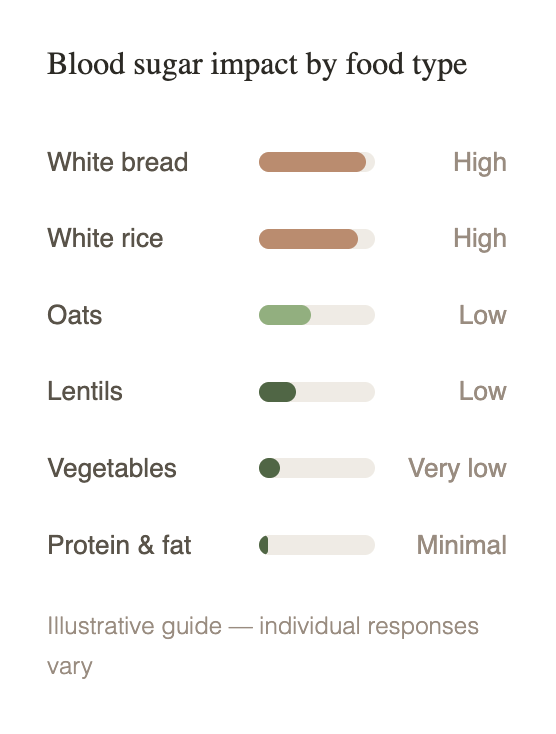
The good news: Blood sugar is one of the most responsive systems in your body to dietary change. Small, consistent shifts in what and how you eat can make a meaningful difference within weeks.
Reduce inflammation
Anti-Inflammatory Eating for PCOS
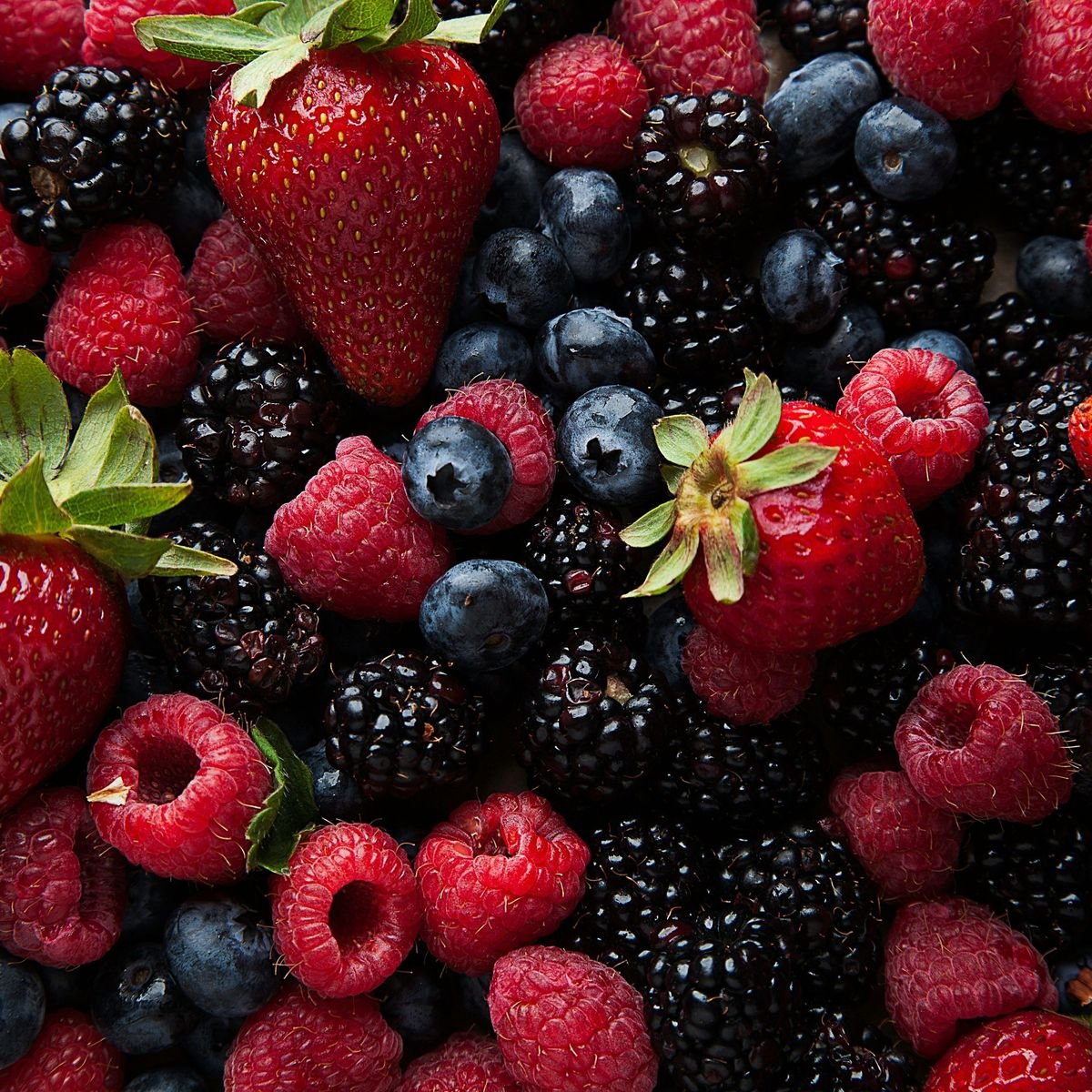
PCOS is characterised by chronic low-grade inflammation — and what you eat either fans the flames or helps put them out. This was a huge shift in how I thought about food. It stopped being about calories and started being about information.
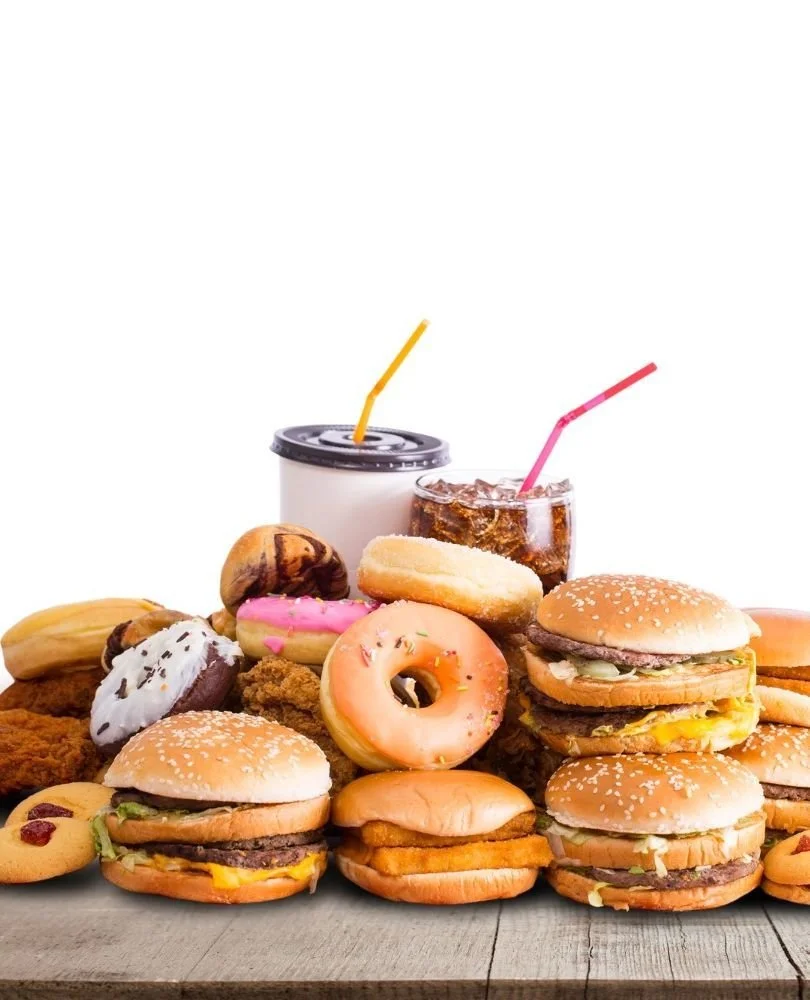
Limit
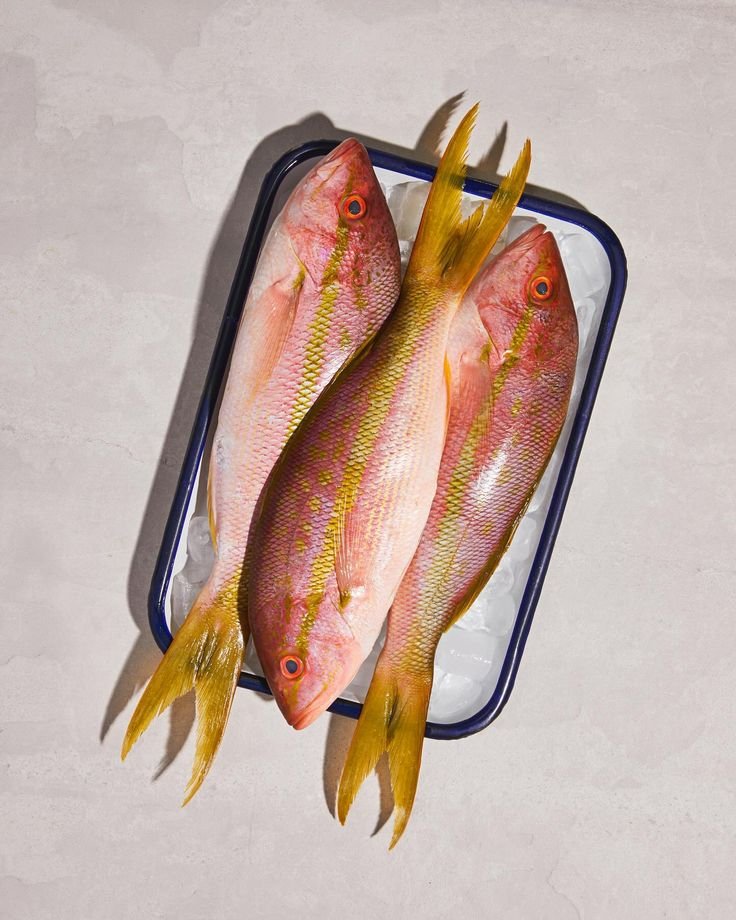
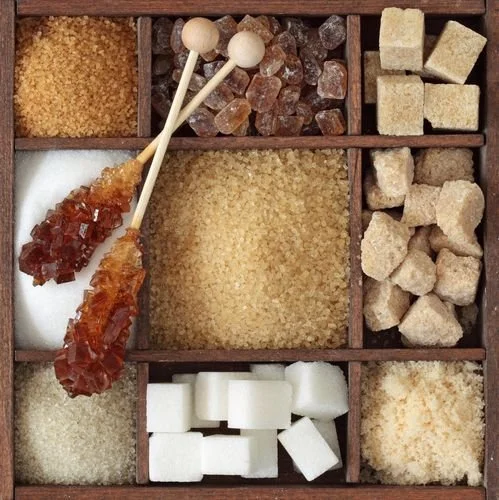
Your PCOS plate
What to Eat & What to Ease Off
This isn't a list of rules — it's a guide. No food is completely off limits. But understanding what supports your hormones helps you make choices that feel good, not just in the moment, but hours later too.
Nourish your body with
Non-starchy vegetables
Leafy greens, broccoli, zucchini, capsicum — eat them in abundance at every meal.
Quality protein at every meal
Eggs, chicken, fish, legumes, Greek yoghurt — protein slows glucose absorption and keeps you full.
Low-GI wholegrains
Oats, quinoa, brown rice, sourdough — fibre-rich carbs that release energy slowly.
Legumes & pulses
Lentils, chickpeas, black beans — high in fibre, protein and resistant starch.
Healthy fats
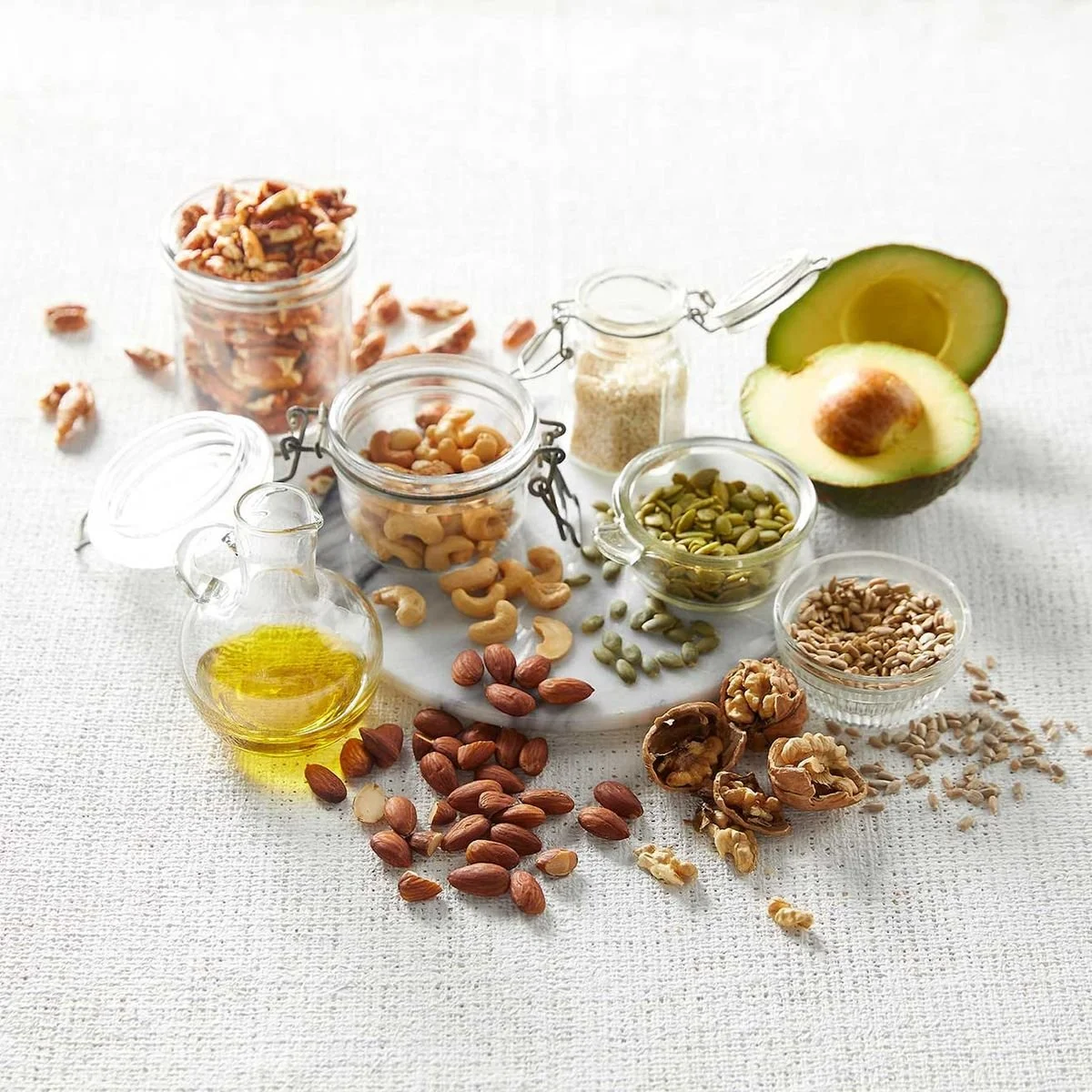
Extra virgin olive oil, avocado, walnuts, flaxseed — essential or hormone synthesis.
Ease off these
Refined carbohydrates
White bread, pasta, crackers — quickly converted to sugar and spike blood glucose fast.
Sugary drinks & juices
Even "natural" fruit juice delivers a fast sugar hit with no fibre to slow it down.
Ultra-processed snacks
Designed to override your fullness signals — hard to stop, hard on your hormones.
Dairy (for some)
Not everyone with PCOS reacts to dairy, but it can worsen acne and inflammation in some. Worth trialling.
Alcohol
Disrupts liver function (which clears hormones), raises oestrogen, and affects sleep quality. synthesis.
Timing matters
Meal Timing & Daily Habits That Make a Difference
Within 1 hour of waking
Eat a protein-rich breakfast
Skipping breakfast or eating only carbs spikes cortisol and sets your blood sugar on a rollercoaster for the rest of the day. Aim for 20–30g of protein — eggs, Greek yoghurt, smoked salmon.
Every 3–4 hours
Eat balanced meals — don't graze constantly
Frequent snacking keeps insulin elevated all day. Eating satisfying, balanced meals and allowing gaps in between gives insulin a chance to drop between meals.
After eating
Move — even just a 10-minute walk
A short walk after meals helps muscles absorb glucose without needing insulin. One of the most underrated blood sugar tools available to us.
Before meals
Start with vegetables or protein
Eating fibre and protein before carbohydrates significantly blunts the blood sugar spike from the meal. A simple habit that takes zero extra effort.
Evening
Eat lighter & earlier where possible
Insulin sensitivity naturally drops in the evening. Finishing eating a couple of hours before bed supports better glucose regulation and sleep quality.
Hydrate first thing
A large glass of water before coffee helps cortisol regulation and supports blood sugar from the start of the day.
Don't skip meals
Skipping meals drives cortisol up and blood sugar down - triggering cravings and overeating later.
Slow down at meals
Eating quickly increases cortisol and impairs digestion. Aim for at least 20 minutes per meal.
Sleep is nutrition too
Poor sleep directly worsens insulin resistance - even one bad night affects your glucose response the next day.
My philosophy
How I Actually Eat With PCOS
"It took me a long time to stop chasing the perfect diet and start building a real, sustainable way of eating."
I've tried low-carb, dairy-free, gluten-free, intermittent fasting — you name it. Some things helped. Some didn't. What I've landed on is a way of eating that's grounded in the science of PCOS, but also leaves room for real life, social occasions, and actually enjoying food.
I'm not a dietitian or a doctor. But I am someone who has lived with PCOS for years and spent a lot of time figuring out what actually works day to day. The recipes and blog posts on this site are a reflection of that — real food, real flavour, PCOS-friendly by design.
1
Protein at every meal, no exceptions
It anchors blood sugar, keeps me full, and stops the 3pm crash that used to derail my entire afternoon.
2
Vegetables first, always
I build every plate around vegetables rather than treating them as an afterthought.
3
Fibre is my best friend
I aim for 25–30g of fibre daily. It keeps my gut happy, my blood sugar stable, and my hormones clearer.
4
Progress over perfection
A consistent 80% beats a perfect 100% that lasts two weeks. PCOS is lifelong - so my approach has to be sustainable.
Keep exploring
Hungry for More?
Find PCOS-friendly recipes built around everything on this page, or head to the blog for deeper dives into nutrition, hormones, and life with PCOS.