The Gut Health Secret That's Been Sitting in Your Kitchen Cupboard All Along
When most people think about improving their gut health, they go straight to the elimination list. Cut the sugar. Drop the gluten. Ditch the dairy. Remove the processed foods. The list grows longer and the whole thing starts to feel like deprivation disguised as wellness.
But here's what rarely gets talked about. What if part of the answer isn't just about removing things? What if it's also about what you're missing?

Spices are almost always treated as optional. Something you add for flavour when you remember, not something you think of as genuinely important for your health. But for women managing PCOS, spices deserve a much more prominent place in the conversation. Because they aren't just flavour enhancers. They're functional, anti-inflammatory medicine that's been sitting in your kitchen cupboard this whole time. Affordable, accessible, and backed by a growing body of research.
Why Spices Matter More When You Have PCOS
To understand why spices are worth taking seriously for PCOS, it helps to remember what's actually happening in the condition at a biological level.
PCOS is fundamentally a condition of chronic low-grade inflammation and hormonal dysregulation. Jean Hailes for Women's Health identifies inflammation as a core driver of PCOS (not just a side effect) and that inflammation is directly linked to insulin resistance, elevated androgens, gut dysbiosis, and the cascade of symptoms that follow.
Most of the spices with the strongest evidence for gut and metabolic health work precisely on these mechanisms. Reducing inflammation, supporting blood sugar regulation, feeding beneficial gut bacteria, and supporting the hormonal environment that PCOS disrupts. That makes spices not just a nice dietary addition for women with PCOS, but a genuinely targeted one.
Ayurvedic medicine, the ancient Indian system of holistic healing, has always understood this. In Ayurveda, spices are not considered food or flavour. They are medicine. A pinch of the right spice supports digestion, reduces inflammation, balances blood sugar, and helps the body absorb nutrients more efficiently. Modern research is increasingly validating what this tradition has known for thousands of years.
The Spices Worth Knowing About
Turmeric - the anti-inflammatory anchor
Turmeric's active compound, curcumin, is one of the most well-researched anti-inflammatory substances in natural medicine. Research indexed on NCBI/PubMed has found curcumin to be a direct inhibitor of several inflammatory pathways including the NF-κB pathway, which is specifically implicated in the chronic inflammation of PCOS.
For gut health, turmeric soothes inflammation throughout the digestive tract and supports the integrity of the gut lining — relevant for the intestinal permeability (leaky gut) that research increasingly links to the inflammatory cycle of PCOS. For skin, its anti-inflammatory and antioxidant properties support the kind of internal environment that reflects in clearer, calmer skin from the outside.
One practical note curcumin is poorly absorbed on its own. Combining turmeric with black pepper (which contains piperine) dramatically increases absorption up to 2,000% according to some research. This is one combination worth making a habit.
Cinnamon - the blood sugar ally PCOS actually needs
If there's one spice that deserves a special mention specifically for PCOS, it's cinnamon.
Insulin resistance is present in up to 70% of women with PCOS, and blood sugar dysregulation is one of the most direct drivers of PCOS symptoms from elevated androgens to irregular cycles to weight challenges. Cinnamon has some of the most consistent evidence of any natural compound for supporting blood sugar regulation.
Research published in the Journal of the Academy of Nutrition and Dietetics found that cinnamon supplementation significantly reduced fasting blood glucose and improved insulin sensitivity. A smaller study specifically in women with PCOS found that cinnamon supplementation improved menstrual regularity over a period of months.
The mechanism involves cinnamon's ability to improve insulin receptor sensitivity and slow the rate of gastric emptying, which moderates the glucose spike after meals. For women with PCOS trying to manage insulin resistance through dietary means, adding cinnamon to breakfast is one of the simplest and most evidence-supported strategies available.
Ginger - the inflammation and digestion powerhouse
Ginger has well-documented anti-inflammatory, anti-nausea, and digestive properties. Its active compounds (gingerols and shogaols) inhibit prostaglandin and leukotriene synthesis, directly reducing inflammatory signalling. Research has found ginger to be effective for reducing markers of systemic inflammation, improving digestive motility, and alleviating nausea and digestive discomfort.
For women with PCOS, ginger has additional relevance: research published in the International Journal of Reproductive BioMedicine found that ginger supplementation improved hormonal profiles and reduced inflammation markers in women with PCOS over a 12-week period. It also supports the liver's role in hormone clearance. Relevant given that oestrogen metabolism and detoxification depend on healthy liver function.
Fresh ginger in hot water with lemon is one of the most therapeutic and least expensive morning rituals you can adopt.
Cumin - the digestive fire starter
Cumin is brilliant for what Ayurvedic medicine calls "digestive fire". The capacity of the digestive system to break down food efficiently and absorb nutrients properly. Modern research supports this traditional understanding: cumin has been shown to stimulate the secretion of digestive enzymes and improve nutrient absorption, particularly of fat-soluble vitamins.
For women with PCOS managing gut symptoms like bloating and sluggish digestion, both more common in PCOS due to the hormonal influences on gut motility. Cumin is a practical, gentle support. It also has emerging evidence as a gentle prebiotic, feeding beneficial gut bacteria and supporting microbiome diversity.
Fennel - the bloating soother
Fennel has a cooling, antispasmodic effect on the digestive tract, making it particularly helpful for the bloating, gas, and cramping that many women with PCOS experience especially around hormonal fluctuations. Its compounds relax the smooth muscle of the intestinal wall, reducing digestive spasms and the uncomfortable fullness that can follow meals.
Fennel seeds chewed after eating is an ancient and simple digestive practice that works. There's a reason it's been used across cultures for thousands of years.
Cardamom - the gut microbiome supporter
Cardamom is perhaps less well-known in the gut health conversation, but it deserves a mention. Research has found cardamom to have prebiotic properties. It feeds beneficial gut bacteria while inhibiting the growth of harmful species. It also has antioxidant and anti-inflammatory properties relevant to the oxidative stress that is elevated in PCOS. Its warming, slightly sweet flavour makes it easy to add to tea, porridge, or warm drinks.
Spices as Prebiotics: The Microbiome Connection
Beyond their individual benefits, many spices act as gentle prebiotics. Feeding the beneficial bacteria in your gut microbiome and supporting the microbial diversity that is measurably depleted in women with PCOS.
Research consistently shows that women with PCOS have lower gut microbial diversity than women without the condition and that this difference correlates with greater insulin resistance, higher androgens, and more severe inflammatory markers. A diverse, thriving microbiome supports balanced immune responses, better insulin signalling, more stable mood through the gut-brain axis, and more effective hormone clearance.
Polyphenol-rich spices like turmeric, ginger, cinnamon, black pepper, cardamom, feed Lactobacillus and Bifidobacterium species specifically, which are among the strains most consistently depleted in PCOS. Adding these spices regularly to your meals is one of the most accessible microbiome support strategies available, requiring no expensive supplements and no complicated protocols.
CCF Tea: The Simplest Place to Start
If you want to experience the gut health benefits of spices but you're not quite sure where to begin, there's a beautifully simple Ayurvedic blend that's perfect as a starting point.
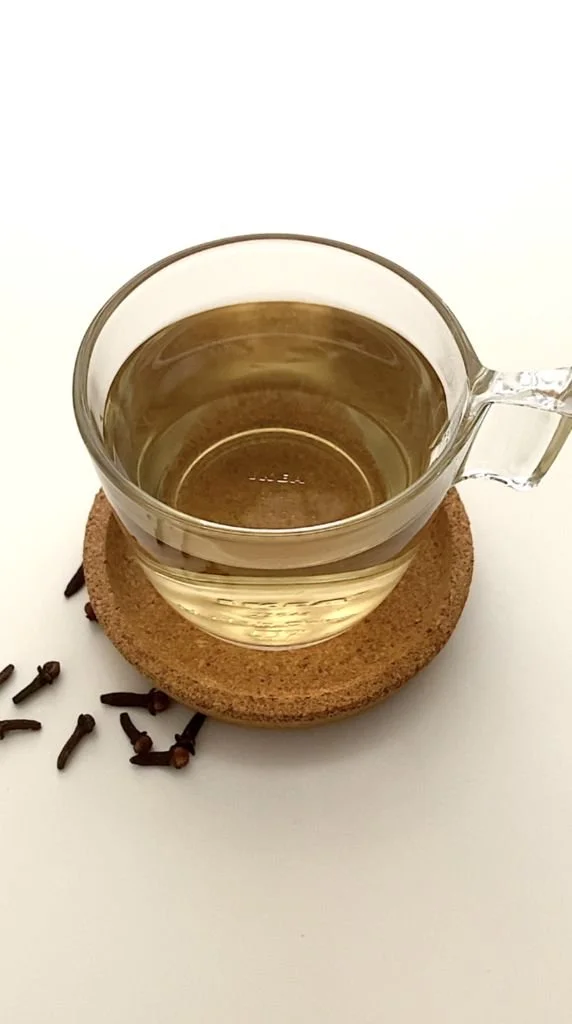
It's called CCF tea. It contains coriander, cumin, fennel and it's been used in Ayurvedic medicine for centuries to support digestion, reduce bloating, and bring the digestive system back into balance. For women with PCOS, each of these three spices also offers specific relevant benefits: coriander has anti-inflammatory and blood sugar-modulating properties, cumin supports nutrient absorption and digestive efficiency, and fennel soothes the digestive tract and supports hormonal balance.
How to make CCF tea:
You'll need one teaspoon each of coriander seeds, cumin seeds, and fennel seeds, plus two to three cups of water.
Add the seeds to a small pot with the water and bring to a boil. Reduce the heat and simmer gently for around ten minutes. The water will turn a soft golden colour when it's ready. Strain into a mug and sip warm.
That's genuinely it. No elaborate preparation, no expensive ingredients. Just three spices you likely already have, combined into something that quietly supports your digestion every time you drink it.
When to drink it: First thing in the morning before eating to wake up digestion. Particularly helpful if you tend to feel sluggish or bloated in the mornings. After meals to reduce bloating and support the digestive process. Or any time you feel heavy, uncomfortable, or out of balance. Some women make a batch in the morning and sip on it throughout the day. Others use it as an evening wind-down ritual. There's no wrong approach.
Practical Ways to Add More Spices to Your Day
The beauty of spices as a gut health strategy is that they require no significant lifestyle overhaul. Just a little more intention with ingredients you're probably already using sometimes.
Some simple starting points: a pinch of cinnamon stirred into your morning oats or smoothie. Turmeric and black pepper added to scrambled eggs, roasted vegetables, or a warm drink with milk. Cumin sprinkled over roasted sweet potato or added to a lentil dish. Fresh ginger grated into hot water with lemon as a morning ritual. Fennel seeds chewed after meals. Cardamom added to your tea or porridge.
Build gradually. You don't need thirty different spices at once. Add one or two new ones each time you shop and slowly expand what you're working with. Over time, you'll find the combinations and rituals that work best for your body and your cooking style.
And pay attention to how your body responds. Gut health is deeply individual, and what resonates for one woman may be different for another. The consistent principle is adding anti-inflammatory, microbiome-supporting spices regularly is a gentle, cumulative practice that compounds over time quietly supporting your digestive health, blood sugar regulation, and hormonal balance in the background of your everyday life.
The Bottom Line
Most gut health advice for women with PCOS - and women generally - focuses almost entirely on what to remove. And while reducing ultra-processed foods, refined sugars, and inflammatory ingredients absolutely matters, the picture isn't complete without also thinking about what to add.
Spices are medicine hiding in plain sight. Affordable, accessible, and genuinely supported by both traditional wisdom and modern research, they offer a low-effort, high-value way to support the gut, reduce inflammation, stabilise blood sugar, and feed the microbiom all of which directly address the underlying mechanisms of PCOS.
Start with CCF tea if you want an easy entry point. Add cinnamon to your breakfast. Put turmeric and black pepper on your dinner. Notice how your digestion responds.
Your gut will thank you. And your food will taste considerably better too.
Disclaimer:
The information in this article is for general informational purposes only and does not constitute medical advice. Always consult a qualified healthcare professional regarding your individual health needs. Sources referenced include Jean Hailes for Women's Health, NCBI/PubMed, the Journal of the Academy of Nutrition and Dietetics, and the International Journal of Reproductive BioMedicine.
