

5 Wellness Trends That Will Define 2026
If the past few years have taught us anything, it's that wellness isn't about doing more. It's about doing what actually works for your body, your life, and your sanity.
We're officially over the one size fits all routines, the extreme overhauls, and the exhausting chase of whatever trend is screaming the loudest on social media. Honestly? Good riddance.
In 2026, wellness is getting smarter, more personalised, and a whole lot more sustainable. We're talking about functional habits that support long term health, not quick fixes that leave you burnt out. Daily rituals that genuinely make you feel better, not just look good on Instagram.
So what's actually shaping up to matter this year? Here are the five wellness trends I'm watching closely as we move through 2026.
1. Your Oral Health Matters More Than You Think
If gut health dominated the conversation for the past decade, oral health is next. And the science is finally catching up.

Research is increasingly showing that the health of your gums and oral microbiome is closely tied to systemic inflammation, cardiovascular health, metabolic function, and even brain health. What happens in your mouth doesn't stay in your mouth. It affects your entire body.
Emerging studies are even finding associations between periodontal disease and mental health conditions like depression, partly driven by shared inflammatory pathways. Your oral health and your mood might be more connected than you realised.
In 2026, we're seeing a shift toward oral care that actually protects beneficial bacteria instead of nuking everything in sight.
This looks like mineral rich toothpastes and mouth rinses that support your oral microbiome rather than destroying it. Tongue scraping is becoming a daily practice, not just something you do occasionally when you remember. And people are moving away from harsh antiseptic mouthwashes that disrupt the good bacteria your mouth needs.
A healthier mouth sets the tone for the rest of your body, influencing everything from inflammation to energy levels. Turns out your toothbrush has more range than we gave it credit for.
2. Fibre Is the New Protein
Protein had its moment. And don't get me wrong, I still love protein. But in 2026, fibre is stepping into the spotlight.
And it's not just about avoiding constipation, although that's obviously important too.
Clinical research consistently shows that dietary fibre plays a key role in regulating blood glucose and insulin sensitivity, promoting beneficial gut bacteria, contributing to energy stability and metabolic health, and supporting long term heart and colon health.
Here's what's particularly interesting. When gut bacteria ferment fibre, they produce short chain fatty acids that influence immune function and energy regulation. This is huge for overall health.
So the conversation is shifting. Instead of just asking how much protein you're eating, the new questions are: Are you feeding your gut bacteria? Are you supporting regular digestion and stable energy? Are you eating in a way that actually sustains you?
Fibre just got promoted. It's the quiet power player behind better energy, digestion, and balance. And your body absolutely notices when you're getting enough.
3. Blood Sugar Balance Becomes Non Negotiable
In 2026, we need to stop normalising energy crashes.
As research, wearable data, and real world experience all come together, steady energy is emerging as a new baseline expectation, not a nice to have bonus.
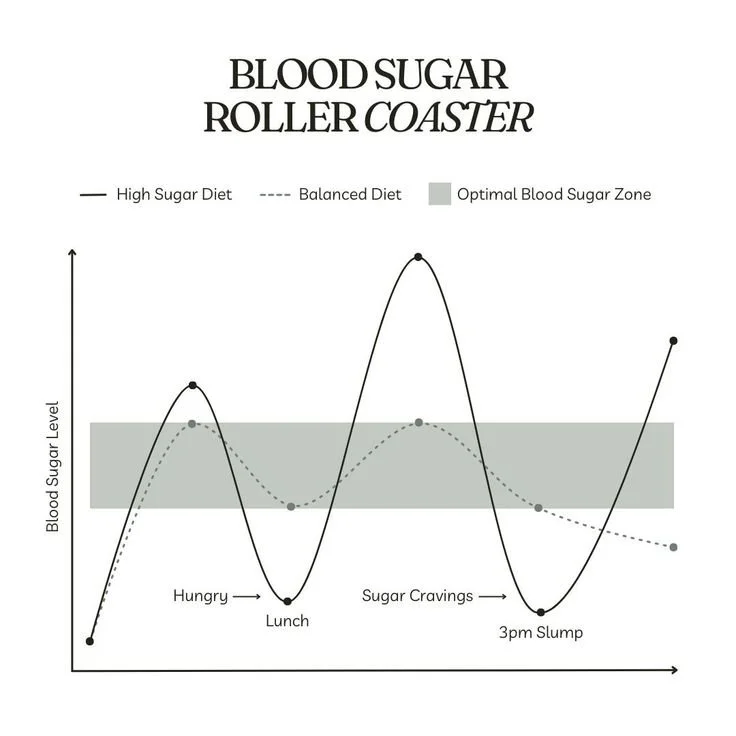
People are becoming more aware of how blood sugar is affected by what they eat, how they move, and when they time their meals. And they're using this awareness to support steady energy, fewer cravings, better mood, and improved metabolic health.
This year, we're seeing more awareness of how food order influences glucose response. Eating your vegetables and protein before your carbs can make a genuine difference to how your blood sugar responds.
Nutrition guidance is being built around sustained energy rather than deprivation. And people are learning to pair carbohydrate sources with protein, fibre, and fats for steadier blood sugar throughout the day.
The throughline for 2026 is steadiness. Fewer highs and lows. More consistency. Energy that actually lasts.
4. Earlier Nights Are the New Going Out
Late nights are losing their grip. And honestly, I'm relieved.
Research continues to show that regular, earlier sleep windows and consistent circadian rhythms improve mood and cognitive clarity, metabolic health, and immune resilience.
In 2026, we're seeing a cultural shift toward valuing how you feel the next morning. Earlier dinners. Earlier bedtimes. Prioritising sleep as a form of self care, not self sacrifice.
The flex is shifting from staying out late to waking up feeling genuinely good. From bragging about how little sleep you got to protecting your sleep like it's sacred. Because it is.
This doesn't mean you never have late nights or that you can't enjoy going out. It just means that prioritising rest isn't seen as boring anymore. It's seen as essential.
5. Lymphatic Support Becomes a Daily Practice
Lymphatic health is moving from an occasional spa treatment to an everyday wellness practice.

The lymphatic system supports immune filtration, reduces inflammation, and helps with waste removal. It's crucial for feeling good and staying healthy. But for a long time, lymphatic support meant expensive treatments or intense workouts.
In 2026, we're predicting that stimulating lymph flow without needing professional treatments will become the norm.
This includes simple daily practices like dry brushing before your shower, using a vibration plate at home, rebounding on a mini trampoline, and gentle lymphatic massage that you can do yourself.
We're seeing a shift toward low effort, high return lymphatic support becoming part of regular wellness routines. These practices help your body feel less sluggish and more energised without requiring a huge time commitment or specialist equipment.
What This All Means
There's no single roadmap for wellness. And honestly, that's kind of the point.
These five trends stand out because they're shaping how we think about energy, longevity, and daily care in ways that are actually sustainable. They're not about perfection or extremes. They're about small, consistent habits that genuinely support how you feel.
Expect to see oral health, fibre, blood sugar balance, sleep prioritisation, and lymphatic support becoming part of the wellness mainstream this year.
And here's what I love about all of these trends. They're accessible. They're evidence based. And they focus on addition rather than restriction. You're not cutting things out or punishing yourself. You're adding supportive practices that make you feel better.
That's the kind of wellness that actually lasts. Not because it's trendy, but because it works.
Here's to a year of feeling better, not busier.
Which of these trends resonates most with you? What wellness practices are you focusing on in 2026? Share in the comments!
Disclaimer:
The information in this article is for educational purposes only and is not intended as medical advice. Always consult with a qualified healthcare provider before making significant changes to your health routine. The views expressed are the author's own, and Gro.w is not liable for any outcomes from following the information provided.
