

How I'm Setting My 2026 Goals And Why This Year Will Be Different
Okay, let's talk about New Year's resolutions. You know the drill January 1st rolls around, and suddenly everyone's a completely different person. "New year, new me!" We declare we're going to hit the gym every day, drink 3 litres of water, meal prep like a champion, and basically become the perfect version of ourselves overnight.
And then by mid-January, we're back to our old routines, feeling guilty about that gym membership we're not using and avoiding that meal prep containers gathering dust in the cupboard.
Here's the thing though only about 9% of people actually achieve their New Year's resolutions. Nine percent! That's not because we're all hopeless or lack willpower. It's because the way most of us approach goal-setting is completely backwards.
So let's flip the script. Instead of making the same resolutions that never stick, let's talk about setting intentions for 2026 that are actually rooted in who you are and what genuinely matters to you.
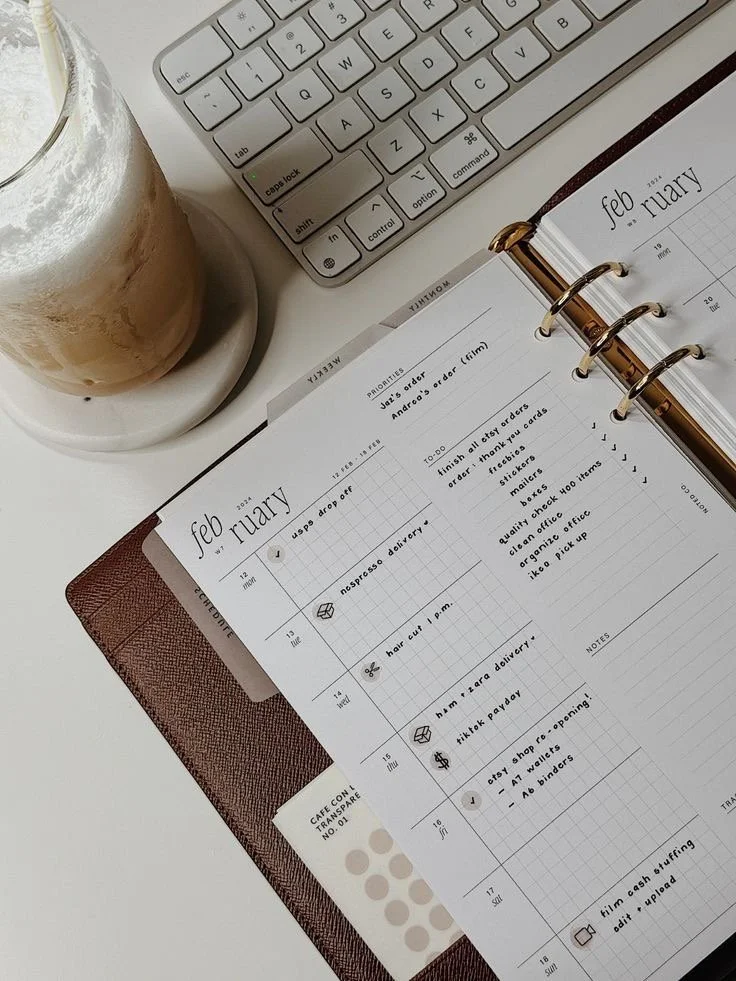
First Things First: Reflect Before You Plan
Before you even think about what you want to achieve in 2026, you need to look back at 2025. I know, I know—sometimes looking back feels uncomfortable, especially if it wasn't your best year. But trust me on this.
Reflection isn't about judging yourself or dwelling on what went wrong. It's about understanding what worked, what didn't, and why. It's about recognising your growth (even when it felt slow), celebrating your wins (even the small ones), and learning from the tough stuff.
Here are some questions to get you started:
Celebrate the wins:
When did you feel most proud of yourself this year, whether anyone else noticed or not?
What surprised you about yourself in a good way?
What small victories did you forget to celebrate at the time?
Learn from the challenges:
What was the hardest thing you faced, and how did you get through it?
What did you avoid this year, and what did that cost you?
Where did you grow, even if the progress felt painfully slow?
Notice the patterns:
What habits or routines actually served you well?
What kept draining your energy without giving anything back?
When did you feel most like yourself - most alive and aligned?
Take some time with these questions. Write them down. Be brutally honest with yourself. This reflection is the foundation for everything that comes next.
The Problem with Traditional Goal-Setting
Most of us set goals based on what we think we should want, not what we actually want. We aim for things that look good on paper or sound impressive when we tell people about them. Or we set vague goals like "be healthier" or "stress less" without any real plan for how to get there.
The research backs this up: people who set specific goals are significantly more likely to achieve them than those who rely on vague intentions. But there's more to it than just being specific.
The goals that actually stick are the ones that align with your values, fit into your real life (not your fantasy life), and can be broken down into small, manageable actions. They're about progress, not perfection.


The SMART Framework (But Make It Personal)
You've probably heard of SMART goals before - Specific, Measurable, Achievable, Realistic, and Time-Bound. It's not new or revolutionary, but it works when you use it properly.
The key is making it personal to you, not just following a formula. Let me show you what I mean.
Bad goal: "Get fit in 2026"
Better goal: "Move my body in ways that feel good for 30 minutes, 4 times a week"
See the difference? The second one is specific about what you'll do, how often, and focuses on how you want to feel rather than some arbitrary measure of "fitness."
Bad goal: "Reduce stress"
Better goal: "Protect my peace by establishing a 30-minute morning routine that includes meditation and journaling, starting with 10 minutes and building up"
The second one identifies specific actions, acknowledges that you might need to start small, and focuses on the outcome you actually want (protecting your peace) rather than just eliminating something negative.
Start with Your "Why"
Here's something most goal-setting advice misses. Your "why" is more important than your "what."
Before you commit to any goal, ask yourself: Why does this matter to me? What will achieving this give me? How will it make me feel?
If your answer is "because I should" or "because everyone else is doing it," that goal is probably not going to stick. Your goals need to be rooted in your values and connected to what genuinely matters to you.
For example:
Don't just say "I want to exercise more." Ask why. Maybe it's because you want more energy to play with your kids, or because movement helps your mental health, or because you want to feel strong and capable in your body.
Don't just say "I want to save money." Ask why. Maybe it's because you want financial security, or freedom to travel, or to stop feeling anxious every time an unexpected bill comes in.
When your goals are connected to deeper values and authentic desires, you're way more likely to stick with them when motivation fades (because it will fade—that's normal).
Break It Down: From Big Dreams to Daily Actions
One of the biggest reasons people give up on goals is overwhelm. We set these massive targets without thinking about all the tiny steps it takes to get there. Then we feel paralysed and give up before we even start.

The solution? Work backward on a goal-ladder to make tinier resolutions that will serve as stepping-stone achievements.
Let's say your big goal is to write a book in 2026. That's huge and can feel impossible. So break it down:
Big goal: Write a book
Quarterly milestone: Complete first draft by end of Q2
Monthly action: Write 5,000 words per month
Weekly habit: Write for 30 minutes, 4 times per week
Daily practice: Spend 10 minutes journaling or brainstorming ideas
See how that works? You've taken this enormous goal and broken it down into something you can do today. And when you string together enough todays, you get your big goal.
Quality Over Quantity: Pick Your Priorities
Here's some tough love: you can't do everything at once. Trying to overhaul your entire life in January is a recipe for burnout and disappointment.
Instead of writing a laundry list of resolutions, try to focus on a few important objectives that will genuinely move the needle in your life. Choose 2-3 main focus areas for the year, and let everything else be bonus.
Ask yourself: If I only achieved three things in 2026, what would make me feel like it was a successful year? Those are your priorities.
Create Systems, Not Just Goals
Goals are about the outcome you want. Systems are about the process that gets you there. And research shows that focusing on systems rather than just goals leads to better long-term results.
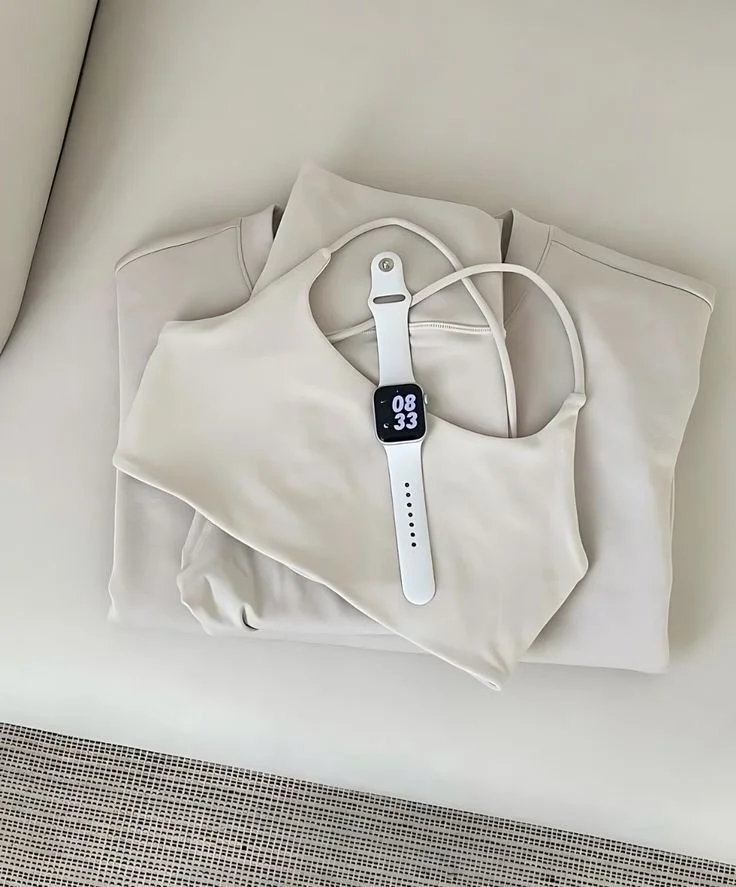
For example:
Goal: Feel better and live healthy
System: Plan and prep healthy meals every Sunday, move your body 4 times a week in ways you enjoy, get 7-8 hours of sleep consistently
The system is what you do regardless of whether the scale moves. It's the sustainable behaviours that create lasting change, not the number on the scale.
Tiny changes lead to big habits. A 10-minute walk each day can evolve into a full fitness journey. Start with what feels doable, then build from there.
Build in Accountability and Check-Ins
Create accountability by finding a partner or group for check-ins, as shared goals strengthen commitment. This could be a friend, a family member, or even an online community of people working toward similar goals.
But accountability isn't just about other people. It's also about checking in with yourself regularly. Review and adjust monthly, as your resolutions should evolve as your life does.
Set up monthly dates with yourself to review:
What's working? What's not?
Do I need to adjust my approach?
Am I still aligned with my values and priorities?
What support do I need?
Life changes. You change. Your goals should be flexible enough to change with you, not rigid rules that make you feel like a failure when circumstances shift.
The Real Talk About Motivation
Let's get honest about something: motivation is not going to carry you through an entire year. It just won't. Motivation is like that friend who's super hyped at the start of a night out but taps out by 10pm.
What gets you through the year is:
Clear systems that make the behaviour automatic
Environment design that makes good choices easier
Self-compassion when you mess up (because you will)
Connection to your why when everything else fails
When motivation fades, purpose steps in. Keep your "why" front and centre.
Also, celebrate small wins along the way. Every step counts, so don't wait for the finish line to acknowledge growth. Celebrated progress creates momentum. Ignored progress creates burnout.
What to Do When You Fall Off Track
Because you will. We all do. Life happens. You get sick, work gets crazy, family stuff comes up, or you just lose momentum for a bit. That's normal and human.
The difference between people who achieve their goals and people who don't isn't that successful people never fall off track. It's that they get back on without the guilt spiral and self-flagellation.
When you slip up:
Notice it without judgment (observation, not criticism)
Get curious about what happened (was I overwhelmed? Did something change?)
Adjust if needed (maybe the goal wasn't realistic, or life shifted)
Start again from where you are now (not from where you "should" be)
Remember, change takes time. Be patient with yourself through the progress, and don't get discouraged if you've fallen off a little. A little success is always better than giving up entirely.

Make Your Goals Visible
Out of sight, out of mind is real. Use visual reminders by putting your goals somewhere you'll see them daily, or document your progress with photos.
This could be:
A vision board in your bedroom
Goal cards on your bathroom mirror
Progress tracking in a journal or app
Weekly check-in reminders on your phone
The point is to keep your intentions front and center so they don't get lost in the chaos of daily life.
The Bottom Line
Setting goals for 2026 isn't about becoming a completely different person. It's about becoming a slightly better, more aligned version of who you already are.
It's about choosing a few things that genuinely matter to you, breaking them down into manageable steps, building systems that support your success, and being kind to yourself through the inevitable ups and downs.
Your New Year's resolutions aren't meant to be a checklist. They're an invitation to grow, reflect, experiment, and step into a version of yourself that feels more aligned and more alive.
So as you think about 2026, ask yourself: What do I actually want? Not what I think I should want, not what looks impressive, but what would genuinely make my life feel more meaningful, joyful, and aligned with who I am?
Start there. Be honest. Be specific. Be realistic. And most importantly, be kind to yourself through the whole process.
You've got this. And hey, even if you only stick with your goals for longer than the average 3.7 months, that's still progress. Every step forward counts.
What's one intention you're setting for 2026? Drop it in the comments. Let's support each other through this!
