

Rethinking Valentine's Day: Making It About Love and Health Again

Valentine's Day has become less about genuine connection and more about consumption. The pressure to buy the perfect gift, the expectations around romantic gestures, the mountains of chocolate and roses, it all adds up to a day that's lost sight of what it's supposed to celebrate: love.
But it doesn't have to be this way. We can reclaim Valentine's Day as something more meaningful, healthier, and more aligned with actually caring for the people we love. Here's how to approach Valentine's Day differently this year.
The Problem with Modern Valentine's Day
Valentine's Day has evolved into a mass marketing opportunity. Retailers push chocolates, flowers, jewellery, and cards as proof of love, as if genuine affection can be measured by how much we spend. The average Australian is expected to spend hundreds of dollars on Valentine's Day gifts, with chocolates and confectionery alone accounting for nearly $100 million in sales.
This commercialisation hasn't just changed what the day means, it's actually made it bad for our health and relationships. Research shows some troubling patterns around Valentine's Day that are worth examining.
The Relationship Pressure Cooker
Valentine's Day puts enormous pressure on romantic relationships. A US study found that relationships were 2.5 times more likely to break up in the week before and after Valentine's Day compared to other times of the year.
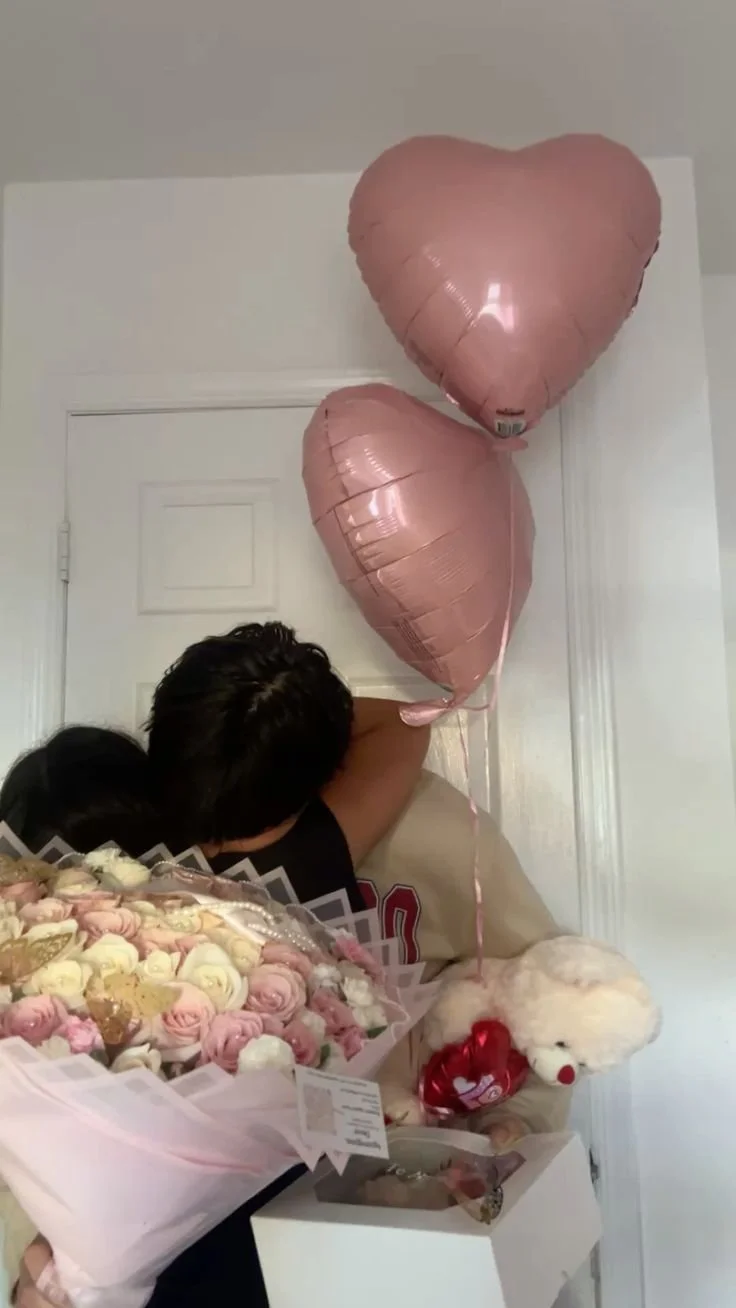
Why? The researchers suggested that Valentine's Day acts as a catalyst for relationships already struggling. The build-up of expectations around grand romantic gestures, perfect dates, and proof of love creates a pressure cooker environment. For couples dealing with real relationship challenges, this idealised version of romance can highlight what's missing rather than celebrating what's there.
Every year, romantic love gets idealised through advertising and social media, creating unrealistic benchmarks that real relationships struggle to meet. This pressure doesn't strengthen relationships, it often exposes their vulnerabilities.
There's also a darker side. The pressure and disappointment surrounding Valentine's Day can, in some cases, escalate to violence. Some of the most brutal domestic violence incidents have occurred on Valentine's Day. Instead of being just another day for marketing, Valentine's Day could be an opportunity to raise awareness about healthy relationships and campaign against domestic violence.
The Environmental Cost of Roses
The traditional Valentine's Day gift of roses comes with a significant environmental price tag that most people never consider.
Growing, harvesting, and transporting roses creates substantial greenhouse gas emissions. One Dutch rose operation produced 35,000kg of CO2 for just 12,000 cut roses, equivalent to the annual CO2 production of two Australian households.
Australia can't meet Valentine's Day rose demand locally, so flowers are imported from countries as far away as Kenya. Because roses are too delicate to travel by boat, they arrive by plane, further increasing their carbon footprint. Throughout their journey, roses require temperature-controlled environments, adding to energy consumption.
The impact extends beyond carbon emissions. Rose production drains water resources, introduces pesticides into ecosystems, and requires energy-intensive climate control for growing. That beautiful red rose handed to you on Valentine's Day carries an environmental weight that contradicts the sentiment it's meant to express.
A better option: Give a potted plant instead. It lasts longer (making a statement about enduring love), requires no long-distance transport, and is genuinely more sustainable. Or skip flowers entirely and put that money toward an experience you can share together.
The Chocolate Problem
At a time when obesity has become a leading cause of preventable disease in high-income countries, Valentine's Day has become another excuse for mass chocolate consumption.
In Australia, 63% of adults are already overweight or obese, which is the main contributor to diabetes. The last thing most of us need is another culturally sanctioned reason to consume large amounts of sugar and saturated fat.
Yet Valentine's Day chocolate sales are massive. In the US alone, Hershey's produces more than 3,600 tonnes of chocolate kisses just for Valentine's Day, that's 750 million individual chocolates. In Australia, we spend nearly $100 million on chocolates and confectionery for Valentine's Day alone.
Compare this to the annual cost of obesity to Australia's wellbeing, estimated at around $120 billion. The economic impact of these health consequences far outweighs any economic benefit from Valentine's Day chocolate sales.
Like Easter with its chocolate eggs, Valentine's Day has become another opportunity for junk food companies to advertise and sell products that contribute to poor health outcomes. If you genuinely love someone, the last thing they probably need is a box of chocolates.
A better option: If you want to give food as a gift, consider healthier treats made with whole ingredients, homemade baked goods with less sugar, or create a special meal together using fresh, nourishing ingredients.
Valentine's Day and Sexual Health
A day that celebrates love and romance is actually an ideal opportunity to talk about sexual health, yet this conversation rarely happens.
In 2013, the US Centre for Disease Control reported 20 million new cases of sexually transmitted infections each year in America. While direct links between Valentine's Day and unsafe sexual practices are limited, the day's focus on romance and intimacy makes it highly appropriate for public health campaigns around safe sex.
It's no coincidence that February 13 was chosen as World Condom Day. Valentine's Day could be an opportunity to promote sexual health awareness, remind people of the importance of safe practices, and normalise conversations about STI prevention.
A better approach: Use Valentine's Day as a natural opening to have honest conversations about sexual health with your partner. Make sure you're both informed and protected. Real love includes caring for each other's physical health.
Reclaiming Valentine's Day for Actual Love

So how do we take Valentine's Day back from commercialisation and make it about genuine care and connection?
Focus on Quality Time Over Gifts
Instead of buying things to prove your love, spend meaningful time together. Cook a meal together, take a walk somewhere beautiful, have an actual conversation without phones, do something that genuinely connects you rather than something you think you're supposed to do.
Make It About Wellbeing
If you want to give something, make it something that supports your partner's health and wellbeing. A massage, a yoga class you take together, ingredients for cooking a nourishing meal, a commitment to a shared health goal, these show care in ways that chocolate and roses don't.
Expand Beyond Romantic Love
Valentine's Day doesn't have to be only about romantic partnerships. Use it as an opportunity to celebrate all forms of love in your life: friendships, family relationships, community connections. Send a message to someone you appreciate. Spend time with people who matter to you.
Skip the Pressure
If your relationship is struggling, adding Valentine's Day expectations won't fix it. If your relationship is strong, it doesn't need validation through expensive gestures. Take the pressure off. Talk honestly with your partner about what would feel meaningful rather than performing what you think Valentine's Day requires.
Support Causes That Actually Help People
Instead of spending money on roses and chocolates, consider donating to organisations that support relationship health, domestic violence prevention, or sexual health education. Make Valentine's Day about contributing to love and wellbeing in your community.
What Love Actually Looks Like
Real love isn't proved through consumption. It's shown through consistent care, genuine attention, honest communication, and supporting each other's actual wellbeing.
Valentine's Day could be an opportunity to reflect on and strengthen the relationships that matter to us. But that requires stepping away from the commercial script we've been sold and asking what would genuinely support the health and happiness of the people we care about.
Spoiler it's probably not chocolate and roses.
This Valentine's Day, consider doing something different. Something that actually reflects care for your partner's health, for your relationship's sustainability, and for the world you both live in.
That's what love looks like.
How are you approaching Valentine's Day this year? Have you found ways to celebrate love that feel more meaningful than traditional gifts? Share your thoughts in the comments.
Disclaimer:
The information in this article is for educational purposes only and is not intended as medical or psychological advice. Always consult with a qualified healthcare provider or therapist about relationship concerns. The views expressed are the author's own, and Gro.w is not liable for any outcomes from following the information provided.
