

The Cardio vs Weights Debate: What Social Media Isn't Telling You

If you spend any time on fitness social media, you've probably noticed a trend: more and more content telling women to ditch the cardio and focus on lifting weights. The message is clear, strength training is where it's at, especially as we age, and cardio is either unnecessary or actively counterproductive.
But is this actually true? Should women really be choosing between cardio and strength training? And if you've been focusing primarily on one type of exercise, do you need to completely overhaul your routine?
Let's cut through the noise and look at what the evidence actually says about cardio, strength training, and why both deserve a place in women's fitness routines.
The Strength Training Revolution
First, let's acknowledge why strength training has been getting so much attention. For decades, women were often discouraged from lifting weights, told it would make them "bulky" or unfeminine. This myth has finally been debunked, and women are discovering the genuine benefits of resistance training.
Strength training offers significant advantages, particularly as we age:
Bone Health After menopause, bone density naturally declines, increasing the risk of osteoporosis. Strength training stimulates bone growth and helps maintain bone density, offering protection against fractures and bone loss.
Muscle Mass and Metabolism We naturally lose muscle mass as we age, a process called sarcopenia. This muscle loss slows metabolism, making weight management more challenging. Resistance training helps maintain and build muscle tissue, supporting a healthy metabolic rate.

Hormonal Health Strength training can help regulate cortisol and support hormones that decline with age, including testosterone, human growth hormone, and insulin-like growth factor 1. These hormones work together to support muscle repair, energy levels, and recovery.
Cognitive and Emotional Wellbeing Lifting weights stimulates the release of brain-derived neurotrophic factor (BDNF), which supports brain function, mood regulation, and focus. Research shows that strength training can improve happiness and overall wellbeing in women.
Functional Independence Maintaining strength as you age means maintaining the ability to carry groceries, lift grandchildren, get up from the floor easily, and prevent falls. Strength training directly supports functional movements that matter in daily life.
For women in midlife and beyond, these benefits are particularly important. Training at moderate to vigorous intensities (around 60-80% of your one-repetition maximum) a couple of times per week, using movements that mimic daily activities like squats, rows, and presses, can be incredibly effective.
And yes, you can safely lift heavy even after 50, when done with proper form and progressive programming.
But Cardio Hasn't Become Obsolete
While strength training deserves more emphasis than it has traditionally received in women's fitness, that doesn't make cardio unnecessary. Cardiovascular exercise offers its own set of crucial benefits:
Heart Health Cardio reduces the risk of heart disease and high blood pressure. Interestingly, research suggests women may actually realise health benefits from regular exercise more than men, making cardiovascular fitness particularly important.

Brain Health and Mood Like strength training, cardio stimulates BDNF production, supporting cognitive function, stress regulation, and overall mental wellbeing. For many women, cardio provides a mental reset that strength training alone doesn't offer.
Stamina and Endurance Cardiovascular fitness builds the endurance you need for daily activities, from keeping up with children to enjoying recreational activities. It supports your ability to move through life without feeling constantly winded.
Fat Metabolism and Body Composition While strength training builds muscle, cardio supports fat metabolism and contributes to a healthy body composition. Both play complementary roles in overall health.
Recovery and Performance For women who love strength training, adding light to moderate cardio can actually enhance recovery. Active recovery through gentle aerobic activity can improve performance, allow for higher training intensities, and reduce the risk of overtraining.
The Real Question: Balance, Not Choice
The cardio versus strength training debate presents a false choice. The question isn't which one you should do, it's how to balance both in a way that supports your health, goals, and lifestyle.
The general exercise recommendations for adults include:
Cardio: At least 150 minutes of moderate-intensity or 75 minutes of vigorous-intensity aerobic activity per week (or a combination of both)
Strength Training: Resistance training for all major muscle groups at least two days per week
These recommendations apply broadly, but how you implement them might evolve based on your life stage, goals, and what your body needs.
When to Shift Your Focus
While both types of exercise remain important throughout life, there are times when emphasising one over the other makes sense.
Life Stages That May Call for More Strength Training
Postpartum Recovery After pregnancy and birth, core stability and overall strength often need targeted rebuilding. While gentle walking is beneficial, adding strength training helps restore functional fitness.
Perimenopause and Menopause As hormone levels shift and bone density begins declining, strength training becomes especially protective. This doesn't mean abandoning cardio, but it might mean dedicating more of your weekly training time to resistance work.
After Prolonged Cardio Focus If you've spent years primarily doing cardio with minimal strength training, adding more resistance work can address muscle imbalances and support long-term functional fitness.
When Cardio Deserves Emphasis
Training for Endurance Events If you're preparing for a running event, triathlon, or cycling challenge, cardio naturally takes priority while maintaining baseline strength.
Cardiovascular Health Concerns If you have specific heart health goals or risk factors, your healthcare provider might recommend prioritising cardio while still including strength work.
Mental Health Benefits For some women, cardio provides irreplaceable mental health benefits. If running, cycling, or swimming is what keeps you mentally balanced, that's a valid reason to maintain that focus.
What a Balanced Week Might Look Like
Creating a sustainable routine that includes both cardio and strength training doesn't have to be complicated. Here's one example of how to structure a week:
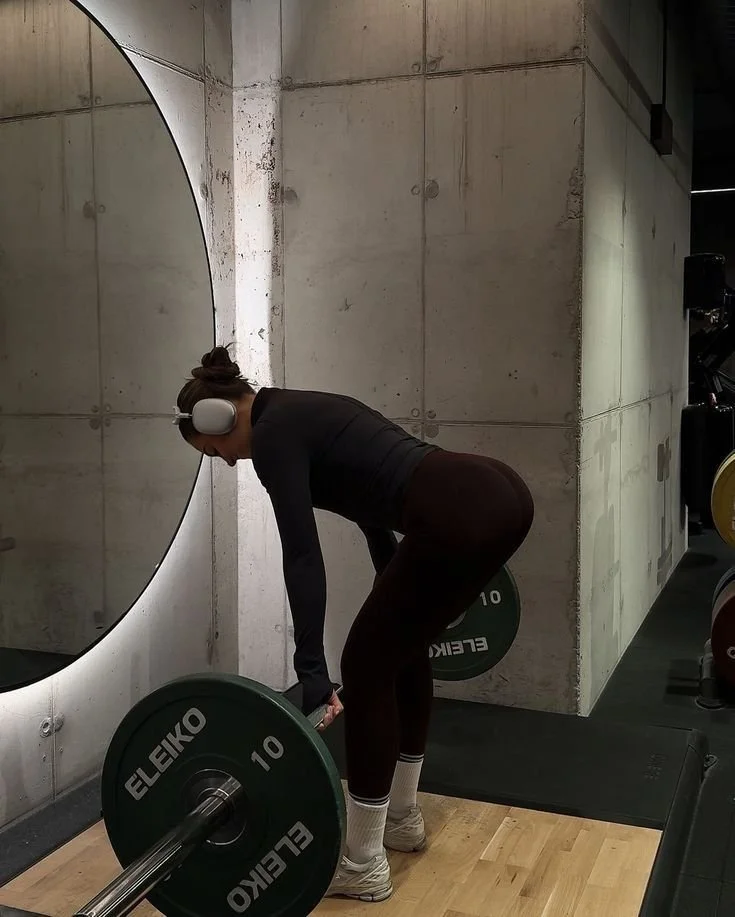
Monday: Strength training focusing on lower body (squats, lunges, deadlifts)
Tuesday: Moderate cardio for 30-45 minutes (walking, jogging, cycling, swimming)
Wednesday: Mobility work or yoga (active recovery)
Thursday: Strength training focusing on upper body or full body (pushes, pulls, carries)
Friday: Light cardio or mobility work (gentle walk, swim, stretching)
Saturday: Either an endurance cardio session, another strength session, or a recreational activity you enjoy
Sunday: Full rest
This schedule provides flexibility while ensuring you're hitting both strength and cardio throughout the week. It can be adjusted based on your fitness level, time availability, and specific goals.
The key is that you're doing both types of training regularly, not choosing one at the expense of the other.
Addressing Common Concerns
"Will cardio interfere with my strength gains?"
Excessive cardio can potentially interfere with strength and muscle gains, but moderate amounts typically don't. The key is not doing intense cardio sessions immediately before or after heavy strength training, and ensuring you're eating enough to fuel both types of training.
"Will lifting make me too bulky?"
No. Women don't have the testosterone levels necessary to build large amounts of muscle mass easily. Strength training will make you stronger and more defined, not "bulky" unless you're specifically training and eating for significant muscle growth.
"I don't have time for both. What should I prioritise?"
If time is genuinely limited, prioritise strength training twice per week and add walking or other light activity when possible. Walking counts as cardio and can be built into daily life through active transport or lunch breaks.
"Can I do both on the same day?"
Yes, but the order matters. Generally, do strength training first when you're fresh, then add cardio. Or separate them by several hours if possible. Doing intense cardio immediately before strength training can compromise your performance and form.
The Role of Recovery
An often-overlooked element of balancing cardio and strength training is recovery. As we age, recovery becomes increasingly important. This means:
Building rest between strength sessions targeting the same muscle groups
Prioritising sleep (7-9 hours for most adults)
Including mobility and flexibility work
Listening to your body's signals about when it needs rest
Recovery isn't about doing less overall, it's about being strategic so you can train consistently without burning out or getting injured.
Making It Work for You
The "perfect" balance of cardio and strength training is the one that:
Supports your health goals
Fits into your actual life and schedule
Includes activities you genuinely enjoy (or at least don't hate)
You can maintain consistently over time
Allows for adequate recovery
If you currently do mostly cardio, consider adding two strength sessions per week and reducing cardio slightly to make room. If you primarily lift weights, add a couple of cardio sessions, even just brisk walking.
The transition doesn't have to be dramatic. Small adjustments maintained over time create lasting change.
Beyond the Binary
Ultimately, the cardio versus strength training debate oversimplifies women's fitness. Both forms of exercise offer unique benefits that support different aspects of health and wellbeing.
Strength training protects bone density, maintains muscle mass, supports metabolism, and preserves functional independence. Cardiovascular exercise protects heart health, supports mental wellbeing, builds endurance, and for many women, provides irreplaceable stress relief and social connection.
Rather than viewing these as competing approaches, consider them complementary tools that together create comprehensive fitness. Your specific mix might shift over time based on your life stage, goals, and circumstances. That's not just okay, it's appropriate.
The best exercise routine isn't the one that sounds most impressive or follows the latest social media trend. It's the one that supports your health, fits your life, and you can actually maintain long-term.
How do you balance cardio and strength training? Has your approach changed over time? Share your experience in the comments, I'd love to hear what works for you.
Disclaimer:
The information in this article is for educational purposes only and is not intended as medical advice. Always consult with a qualified healthcare provider or dermatologist about the best sun protection strategy for your individual needs. The views expressed are the author's own, and Gro.w is not liable for any outcomes from following the information provided.
