The Rule of 30 Plants a Week: What I Actually Eat With PCOS
If you have PCOS, you've probably heard every diet recommendation under the sun. Keto, low carb, no dairy, no gluten, intermittent fasting the list is endless and honestly, exhausting.
I've tried enough of them to know that the approaches built around restriction tend to be unsustainable, miserable, and for me at least not particularly effective at actually improving my PCOS symptoms long term.
But there's one framework that keeps coming up in the research, feels genuinely manageable to live by, and has made a real difference to how I feel. It's called the 30 plants per week rule. And before you roll your eyes at what sounds like another wellness trend hear me out, because the science behind this one is actually solid, and it's particularly relevant for PCOS.
Why Gut Health Is a PCOS Issue, Not Just a Wellness Trend
I know gut health can feel like a buzzword at this point. But for women with PCOS, the gut microbiome isn't just a trendy topic — it's directly connected to the hormonal and metabolic features of the condition.
Here's what the research shows women with PCOS have measurably different gut microbiomes compared to women without the condition and not just different, but significantly less diverse. Studies indexed on NCBI/PubMed have found that lower gut microbial diversity in PCOS correlates with higher testosterone levels, greater insulin resistance, elevated inflammatory markers, and worsened metabolic features like abnormal cholesterol. Basically, the things we're already navigating.
The mechanism works like this an imbalanced gut microbiome (called gut dysbiosis ) can compromise the integrity of the intestinal lining, making it more permeable than it should be. This is sometimes called leaky gut, and when it happens, bacterial byproducts cross into the bloodstream and trigger a systemic inflammatory response. That inflammation disrupts insulin signalling, which drives higher insulin levels, which stimulates the ovaries to produce more androgens, which worsens the hormonal imbalance of PCOS.
Research has also found that women with PCOS have altered bile acid profiles which affects fat digestion and insulin sensitivity and that these changes can further weaken the gut lining, creating a self-reinforcing cycle that worsens PCOS symptoms over time.
The good news? Your gut microbiome is remarkably responsive to dietary change. And this is where the 30 plants rule comes in.
What Is the 30 Plants Rule?
The concept comes from the American Gut Project. A large-scale research study involving over 10,000 participants. The finding that generated the most attention. People who ate 30 or more different plant foods per week had significantly more diverse gut microbiomes than those eating fewer than 10.
More diversity means more types of beneficial bacteria. More beneficial bacteria means better short-chain fatty acid (SCFA) production. The compounds produced when gut bacteria ferment dietary fibre. And SCFAs directly improve insulin signalling, reduce inflammation, and support the gut lining integrity that PCOS-related gut dysbiosis compromises.
Recent research has found a specific link between SCFA production and PCOS. When fibre intake increases and SCFA-producing bacteria flourish, PCOS symptoms including hormonal markers and insulin resistance measurably improve. This isn't abstract gut health theory. It's directly relevant to the condition.
Now before you picture yourself eating 30 different vegetables and losing your mind here's the part that makes this genuinely achievable.
What Actually Counts as a Plant

This is where the 30 plants rule becomes considerably less daunting than it sounds.
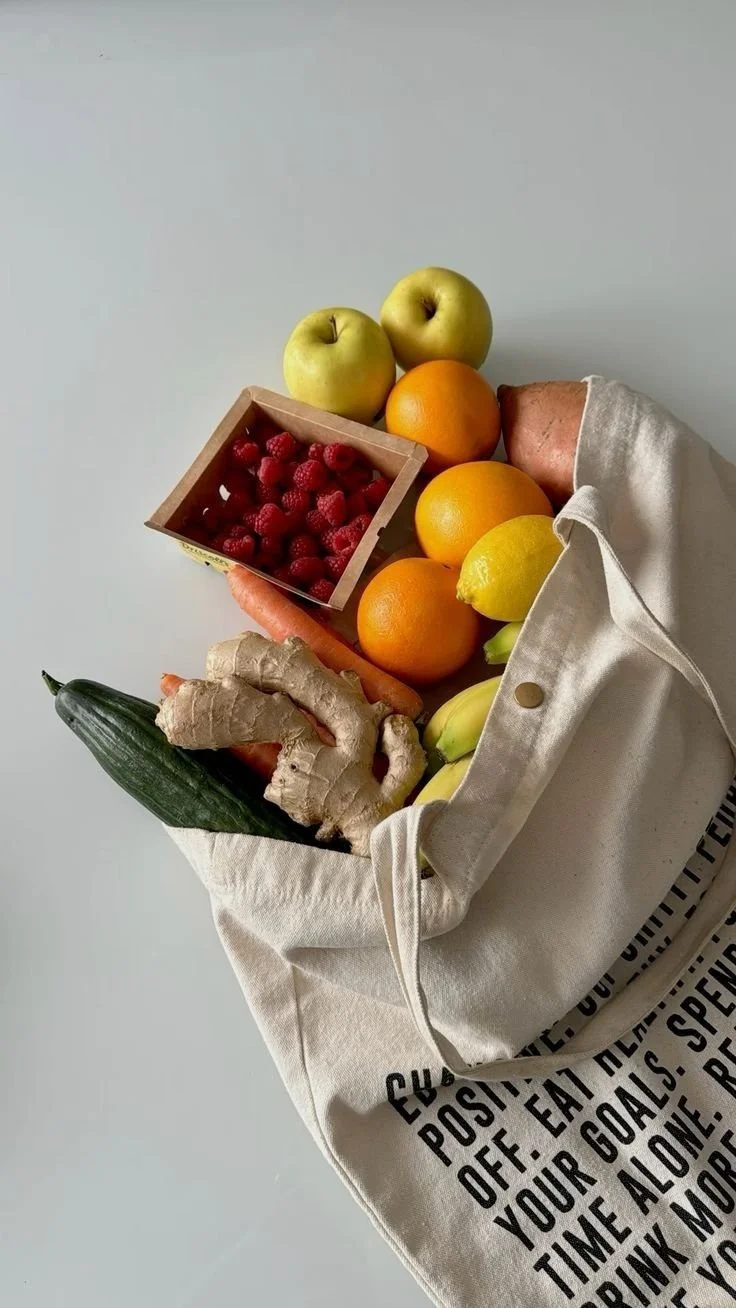
Every plant food counts. Vegetables, fruits, legumes, whole grains, nuts, seeds, herbs and spices.
Yes, the sprinkle of cinnamon in your morning oats counts. The basil in your pasta sauce counts. The cumin in your stir-fry counts. Herbs and spices are polyphenol-rich, anti-inflammatory, and for women with PCOS several have specific evidence for supporting blood sugar regulation and reducing androgens. They absolutely earn their place in the count.
Here's what I personally track towards my 30 each week:
Vegetables: spinach, broccoli, carrots, sweet potato, zucchini, capsicum, onion, garlic, rocket, cabbage, cucumber, celery, kale, pumpkin, snow peas.
Fruits: apples, bananas, blueberries, strawberries, avocado, tomatoes, lemon, and whatever's in season at the market. Avocado and tomato count both are botanically fruits and both earn their place on the list.
Legumes: chickpeas, lentils, black beans, kidney beans, cannellini beans, edamame. Legumes are genuinely excellent for PCOS. They're high in both fibre and protein, digest slowly, and support blood sugar stability in a way that refined carbohydrates simply don't. I eat legumes almost every day in some form.
Whole grains: oats, brown rice, quinoa, whole grain bread, buckwheat. I focus on whole grains over refined because the fibre content makes an enormous difference to the blood sugar response and for PCOS, where insulin resistance is already a challenge, that distinction matters.
Nuts and seeds: almonds, walnuts, chia seeds, flaxseeds, pumpkin seeds, sunflower seeds, hemp seeds, tahini. These also contribute healthy fats that support hormone production and help slow glucose absorption from meals.
Herbs and spices: turmeric, ginger, cinnamon, cumin, black pepper, basil, parsley, oregano, cardamom, coriander. I'm generous with these. They add flavour, they add plant points, and many of them have specific anti-inflammatory and blood sugar-regulating properties that are particularly relevant for PCOS.
What I Actually Eat in a Week
Here's an honest look at a typical week for me hitting 30 plants without it being a full-time job.
Breakfasts rotate between oats with blueberries, chia seeds, walnuts, and cinnamon; Greek yoghurt with mixed nuts, flaxseeds, sliced apple, and a drizzle of honey; avocado on whole grain toast with pumpkin seeds and tomato; or a smoothie with spinach, frozen berries, banana, flaxseeds, and ginger. Each of these hits four to six plants before 9am.
Lunches are usually a big salad or a grain bowl. My go-to salad is spinach or rocket with chickpeas, cucumber, capsicum, avocado, sunflower seeds, and a lemon-olive oil dressing. That's seven or eight plants in one bowl. Or a lentil and vegetable soup with carrots, celery, onion, garlic, and herbs. Or a quinoa bowl with roasted sweet potato, black beans, and tahini dressing.
Dinners are where I get the most plant variety. A chickpea curry with spinach, tomatoes, onion, garlic, and spices over brown rice. A stir-fry with broccoli, capsicum, snow peas, edamame, and ginger over quinoa. Baked salmon with roasted pumpkin, zucchini, and a rocket salad on the side. A lentil bolognese using red lentils, canned tomatoes, carrot, celery, onion, garlic, and fresh basil. That's seven plants in one sauce.
Snacks are where the small additions add up. Mixed nuts, apple with almond butter, hummus with vegetable sticks, berries, or dark chocolate with almonds. None of these are elaborate they're just intentional.
By the time I've cooked through a week like this, I'm comfortably at 35-40 plants without overthinking it.
Practical Tips for Getting to 30

Start by tracking what you're already eating. Most people are surprised to find they're already hitting 15–20 plants without realising it. The gap from 20 to 30 is much less intimidating than it sounds.
Use legumes as a base. Swapping refined carbohydrates for legumes . Chickpeas in a salad instead of croutons, lentils in a bolognese instead of just pasta, black beans in a rice bowl. This adds plant diversity and fibre while significantly improving the blood sugar profile of your meal. For PCOS and insulin resistance, this swap is one of the highest-impact changes you can make.
Add leafy greens to everything. Spinach wilts invisibly into pasta sauce, soups, curries, smoothies, and scrambled eggs. It's the easiest plant point you'll ever earn.
Stock a well-designed pantry. Canned beans and lentils, a variety of nuts and seeds, frozen vegetables, a diverse spice collection, and several whole grain options mean you can pull together a plant-diverse meal from whatever's available without a special shopping trip.
Use mixed varieties where you can. A three-bean mix adds three plant points in one ingredient. Mixed frozen berries. A handful of mixed seeds rather than just one type. Buying variety rather than bulk of one thing accumulates plant points with minimal extra effort.
Be generous with herbs and spices. Turmeric and ginger in your morning smoothie. Cinnamon on your oats which also has specific evidence for supporting blood sugar regulation in PCOS. Cumin and coriander in your dinner. These aren't just plant points. They're anti-inflammatory compounds that directly support the hormonal and metabolic features of the condition.
Prep on the weekend. Cooking a batch of grains, chopping vegetables, and cooking a pot of legumes means pulling together a plant-diverse lunch or dinner during the week takes minutes rather than effort.
What This Approach Isn't
It's worth being clear about what the 30 plants rule is and isn't because PCOS nutrition is an area where unrealistic expectations cause a lot of unnecessary suffering.
It isn't a cure. PCOS is a complex, multifactorial condition influenced by genetics, environment, and individual biology. No dietary framework resolves it entirely, and anyone claiming otherwise is overpromising.
It isn't a rigid meal plan. It's a flexible framework that encourages variety which naturally shifts your eating toward more whole foods, more fibre, more anti-inflammatory compounds, and less reliance on the refined and ultra-processed foods that worsen insulin resistance and gut dysbiosis.
It isn't about restriction. This is the part I genuinely appreciate about it. You're not eliminating food groups or counting macros or following a protocol that makes social eating a logistical challenge. You're adding more variety, more colour, more fibre, which feels fundamentally different from the endless restriction narratives in the PCOS diet space.
Beyond What You Eat
Gut health doesn't live in nutrition alone and for women with PCOS, this integrated picture matters.
Quality sleep supports gut microbiome composition and directly affects insulin sensitivity and cortisol levels. Chronic stress, as we've discussed, drives cortisol dysregulation that worsens gut permeability and compounds the inflammatory cycle of PCOS. Regular moderate movement improves gut bacterial diversity and insulin sensitivity simultaneously. Minimising unnecessary antibiotic use or actively rebuilding microbiome diversity after a course of antibiotics through diverse plant intake and fermented foods, protects the bacterial ecosystem that diverse plant eating is building.
The 30 plants rule works best as part of this broader picture, not as a standalone intervention.
The Bottom Line
The 30 plants per week rule isn't the most dramatic dietary intervention you'll hear about for PCOS. It doesn't eliminate entire food groups or promise rapid transformation. But it's evidence-informed, genuinely sustainable, and directly addresses one of the underlying mechanisms of the condition. The gut dysbiosis that worsens insulin resistance, inflammation, and hormonal imbalance.
For me, it's become less of a rule and more of a way of thinking about food. Does this meal have variety? What can I add rather than remove? Am I feeding my gut bacteria today? Those questions have quietly changed the way I cook and eat in a way that feels nourishing rather than punishing.
Start where you are. Track your plants for a week and see what you're already hitting. Then add variety gradually. One new legume, one new grain, a more generous hand with the spice rack. Notice how you feel over weeks and months.
Your gut bacteria will thank you. And your PCOS symptoms the insulin resistance, the inflammation, the hormonal imbalance may well improve alongside them.
Disclaimer:
The information in this article is for general informational purposes only and does not constitute medical advice. Always consult a qualified healthcare professional regarding your individual health and dietary needs. Sources referenced include Jean Hailes for Women's Health, the American Gut Project, NCBI/PubMed, and Deakin University's Food and Mood Centre.
