Beyond the Hype: Your Honest Guide to Supplements for PCOS
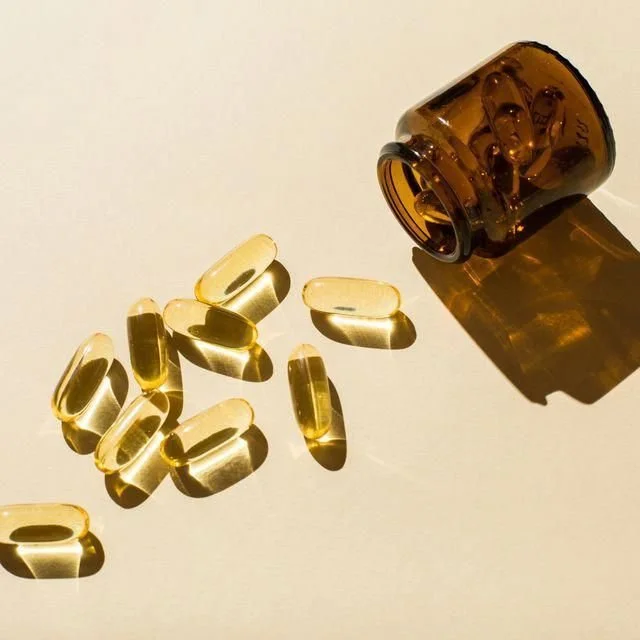
Walk into any chemist, health food store, or scroll through your social media feed for five minutes with a PCOS-related account, and you'll be inundated. Inositol blends, spearmint capsules, berberine, magnesium, zinc, omega-3, adaptogens, probiotics and the list goes on. Each one promising to balance your hormones, regulate your cycle, clear your skin, and fix your insulin resistance often for a fairly significant price tag.
The PCOS supplement market is enormous, and it's growing. And while some supplements have genuinely meaningful evidence behind them for the condition, a lot of what's being marketed to women with PCOS is expensive, poorly formulated, or simply not what the label claims.
Here's what you actually need to know about what works, what doesn't, and how to tell the difference.
The Regulatory Reality in Australia
Before we get into specific supplements, let's talk about the regulatory landscape because this is where most people get caught out.
In Australia, supplements fall under the Therapeutic Goods Administration (TGA). But here's what most people don't realise. Unlike prescription medicines, most supplements only require the manufacturer to self-assess that their product meets safety and quality standards. The TGA doesn't routinely test products before they reach shelves.
The key distinction is between AUST L and AUST R listed products. AUST L products are lower-risk supplements that manufacturers self-assess — the vast majority of supplements you'll find in a health food store fall into this category. AUST R products undergo TGA evaluation before approval. The AUST L or R number on a label tells you the product has been entered into the Australian Register of Therapeutic Goods — but it does not tell you whether it actually contains what the label claims, in the dose the label claims, in a form your body can actually use.
Independent testing has found that up to 70% of supplements don't contain what their labels state. A supplement labelled as containing 500mg of myo-inositol might contain significantly more, significantly less, or a different form altogether. For women with PCOS who are supplementing with specific intentions for supporting insulin sensitivity, reducing androgens, regulating cycles this matters enormously.
This isn't an argument against supplements. It's an argument for choosing them with considerably more rigour than most marketing encourages.
The Supplements With Genuine PCOS Evidence
Let's start with what the research actually supports. There are several supplements with meaningful evidence for PCOS specifically, and knowing which ones they are helps you prioritise wisely.
Inositol - the most evidence-backed PCOS supplement
If there's one supplement category with the strongest and most consistent evidence specifically for PCOS, it's inositol. Inositol is a naturally occurring compound involved in insulin signalling and given that insulin resistance is present in up to 70% of women with PCOS, its relevance is direct.
Two forms are most studied myo-inositol and D-chiro-inositol. Research published on NCBI/PubMed and in journals including Gynaecological Endocrinology has found that myo-inositol supplementation improves insulin sensitivity, reduces androgen levels, supports more regular ovulation, and improves egg quality in women with PCOS. The most effective ratio studied is 40:1 myo-inositol to D-chiro-inositol which is the naturally occurring ratio in human follicular fluid. Products offering this specific ratio are worth prioritising over generic inositol blends.
Typical research doses: 2-4g of myo-inositol daily, often divided into two doses. Look for products that clearly state both the form and the dose not just "inositol blend" without specifics.
Magnesium - the underrated essential
Magnesium deficiency is common in the general population. Research suggests up to 68% of women are deficient and it's particularly prevalent in women with insulin resistance, because insulin resistance impairs magnesium absorption. This creates a self-reinforcing cycle low magnesium worsens insulin resistance, and insulin resistance depletes magnesium further.
Magnesium plays a direct role in insulin signalling, cortisol regulation, sleep quality, and progesterone synthesis. All areas of particular relevance for PCOS. Research indexed on NCBI/PubMed has found that magnesium supplementation improves insulin sensitivity and reduces inflammatory markers in women with metabolic features of PCOS.
Form matters significantly here. Magnesium glycinate is the most well-tolerated and bioavailable form for most people. It doesn't cause the digestive discomfort associated with magnesium oxide (the cheapest and most commonly used form in low-quality supplements). Magnesium citrate and malate are also well-absorbed alternatives. If a supplement uses magnesium oxide as its primary form, that's a quality red flag.
Typical research doses 200-400mg elemental magnesium daily.
Vitamin D - especially important for PCOS
Despite Australia's sunshine, vitamin D deficiency is surprisingly prevalent and it's significantly more common in women with PCOS than in the general population. Research has found that vitamin D deficiency correlates with greater insulin resistance, more severe menstrual irregularity, and higher androgen levels in women with PCOS, making it both a consequence and a contributor to the condition's severity.
Vitamin D3 (cholecalciferol) is the superior supplemental form. It's the same form your body produces from sun exposure, and it raises blood vitamin D levels significantly more effectively than vitamin D2 (ergocalciferol), which is found in some lower-quality products. This is one of the clearest examples of form mattering: D3 versus D2 is not a minor distinction.
Dose depends on your baseline blood level which is exactly why testing first (through a simple blood test via your GP) is worth doing. General maintenance doses are typically 1,000–2,000 IU daily, while therapeutic doses for deficiency may be higher under medical guidance.
Zinc - for androgens, skin, and immunity
Zinc is essential for testosterone metabolism, immune function, and wound healing — and it has specific relevance for PCOS-related acne and hair thinning. Research has found that women with PCOS tend to have lower zinc levels than women without the condition, and that zinc supplementation can reduce androgen levels, improve insulin sensitivity, and support skin health.
Zinc also inhibits the enzyme 5-alpha reductase. The same enzyme that converts testosterone to its more potent form DHT, which is responsible for the androgenic hair and skin effects in PCOS. This makes zinc a genuinely targeted supplement for managing androgenic symptoms.
Form matters here too. Zinc bisglycinate and zinc picolinate are the most bioavailable forms. Zinc sulfate is cheaper and more commonly found in low-quality products but is significantly less well absorbed and more likely to cause nausea. Typical research doses are 25–50mg daily and zinc should always be balanced with copper, as long-term zinc supplementation can deplete copper.
Omega-3 fatty acids - anti-inflammatory and hormone-supportive
Omega-3s specifically EPA and DHA from fish or algal sources have well-documented anti-inflammatory effects that are directly relevant to the chronic inflammation underlying PCOS. Research has found that omega-3 supplementation reduces testosterone levels, improves insulin sensitivity, lowers triglycerides, and supports mood in women with PCOS.
For fish oil specifically, quality varies more dramatically than almost any other supplement category. Rancid fish oil which is more common than most people realise is not only ineffective but potentially pro-inflammatory. Quality indicators include: triglyceride form rather than ethyl ester (better absorbed), third-party tested for heavy metals and PCBs, nitrogen-flushed to prevent rancidity, and minimal fishy smell or taste (fresh oil has very little odour). The label should clearly state the EPA and DHA content separately not just "total omega-3."
For those following a plant-based diet, algal oil provides EPA and DHA from the same source that fish obtain them from, without the heavy metal concerns.
Typical research doses: 1,000–2,000mg combined EPA and DHA daily.
Berberine - the natural metformin?
Berberine has attracted significant research attention for PCOS in recent years, primarily because of its effects on insulin signalling — which work through similar pathways to metformin, the most commonly prescribed medication for PCOS-related insulin resistance. Research published in journals including the Journal of Clinical Endocrinology & Metabolism has found berberine comparable to metformin for improving insulin resistance, reducing androgens, and supporting menstrual regularity in women with PCOS.
This makes berberine genuinely interesting but it also means it warrants the same caution as a medication. Berberine can interact with other medications, is not recommended during pregnancy, and should be discussed with your GP or endocrinologist before starting, particularly if you're already on metformin or other medications.
Typical research doses 500mg two to three times daily with meals.
What to Look for When Choosing Any Supplement
Third-party testing - non-negotiable.
This is the single most important quality indicator for any supplement. Third-party testing by independent organisations verifies that a product contains what it claims, in the amounts it claims, without contamination. Look for certifications from organisations including NSF International, Informed Sport, or USP Verification. Quality companies readily provide Certificates of Analysis (COAs) batch-specific test results that you can often access through their website or by request.
If a company doesn't mention third-party testing or can't provide COAs, treat that as a significant red flag regardless of how compelling their marketing is.
Bioavailable forms - because form determines function.
As we've already touched on with magnesium, vitamin D, and zinc the specific chemical form of a nutrient in a supplement determines how well your body can actually absorb and use it. This applies across the board:
Folate as methylfolate rather than synthetic folic acid - particularly important for women with MTHFR gene variants, which are more common in women with PCOS
B12 as methylcobalamin rather than cyanocobalamin
Iron as bisglycinate rather than sulfate (gentler and better absorbed)
Magnesium as glycinate, citrate, or malate rather than oxide
A supplement using inferior forms is not a bargain at any price. You're paying for something your body largely can't use.
Clear, specific dosing.
Proprietary blends (where a total blend weight is listed but individual ingredient amounts are not) are a common way to include active ingredients at sub-therapeutic doses while implying a comprehensive formula. If you can't see exactly how much of each ingredient is in a product, you can't know whether the dose is meaningful.
For PCOS specifically, where research supports specific dose ranges for specific outcomes, this matters. A product listing "inositol blend 500mg" without specifying the ratio or the amount of each form is not a product you can evaluate and likely not one worth your money.
Minimal unnecessary additives.
Quality supplements focus on active ingredients, not fillers. Look for products that avoid artificial colours, artificial flavours, unnecessary preservatives, and common allergens if you're sensitive. Some additives serve legitimate purposes improving stability or absorption but you should be able to understand why each ingredient is included.
The Red Flags Worth Running From
Outrageous claims. In Australia, it's illegal for supplements to claim they can treat, cure, or prevent diseases. Companies promising to "reverse PCOS," "cure hormonal imbalance," or "eliminate insulin resistance" in a specific timeframe are either operating in regulatory grey areas or making claims the science doesn't support. Quality supplement companies make modest, evidence-based claims because they understand the research.
MLM and network marketing supplements. The business model of multi-level marketing incentivises distributors to oversell benefits rather than provide accurate information and prices are typically inflated to accommodate commission structures. This is a particularly prevalent issue in the women's health and hormonal health supplement space.
Urgent sales tactics. Countdown timers, limited-time offers, and high-pressure purchasing tactics are marketing strategies, not indicators of product quality. Take the time you need to research before buying.
"Clinically proven" without references. This phrase is widely misused. Ask: proven by whom, in what study, at what dose, in what population? A quality company can point you to specific research. A marketing-focused company cannot.
Before You Supplement: The Questions Worth Asking
The most important question before adding any supplement to your routine is whether you actually need it and ideally, testing helps answer that.
For women with PCOS, blood tests worth discussing with your GP include vitamin D, ferritin and full iron studies, zinc, magnesium (though serum magnesium has limitations as a marker), fasting insulin and glucose, and inflammatory markers. Knowing your actual levels, rather than supplementing broadly, means you can target what's genuinely deficient and dose appropriately.
It's also worth raising supplementation with your GP or a PCOS-experienced naturopath or dietitian, particularly if you're on medications. Berberine and metformin, for example, shouldn't generally be taken together without medical supervision. Inositol can interact with medications affecting insulin signalling. Your supplement choices should be part of your overall PCOS management conversation, not something happening in parallel to it.
The Bottom Line
The PCOS supplement market is loud, expensive, and often misleading. But that doesn't mean supplements have no role . Several have genuinely meaningful evidence for specific PCOS features, and choosing them wisely can be a legitimate part of a comprehensive management approach.
The principles are straightforward: prioritise evidence over marketing, insist on third-party testing, choose bioavailable forms in research-supported doses, and be deeply sceptical of any product making sweeping claims about reversing or curing your condition.
Supplements support a healthy foundation they don't replace one. The gut health, anti-inflammatory nutrition, sleep, stress management, and movement practices discussed throughout this blog do the foundational work. Quality, targeted supplements can build on that foundation meaningfully.
But only when chosen wisely. Let the science not the marketing guide you.Appropriate Dosages Based on Research
Quality supplements use dosages that align with scientific research, not arbitrary amounts. For example:
Vitamin D3: Research supports 1000-4000 IU daily for most adults
Magnesium: Studies typically use 200-400mg daily
Omega-3: Effective doses are usually 1000-2000mg combined EPA/DHA daily
Red flag: "Mega-dose" formulations that far exceed research-based dosages, with excess amounts simply eliminated by the body without benefit.
Disclaimer:
The information in this article is for general informational purposes only and does not constitute medical advice. Always consult a qualified healthcare professional before starting any supplement regimen, particularly if you are taking medications. Sources referenced include Jean Hailes for Women's Health, the Therapeutic Goods Administration (TGA), NCBI/PubMed, and the Journal of Clinical Endocrinology & Metabolism.
