5 Wellness Trends Defining 2026 And Why They Actually Matter for PCOS

If the past few years have taught us anything, it's that wellness isn't about doing more. It's about doing what actually works for your body, your life, and your sanity.
We're collectively over the one-size-fits-all routines, the extreme overhauls, and the exhausting chase of whatever trend is screaming loudest on social media. Honestly? Good riddance.
In 2026, wellness is getting smarter, more personalised, and a whole lot more sustainable. We're talking about functional habits that support long-term health not quick fixes that leave you burnt out two weeks in. Daily rituals that genuinely make you feel better, not just look good on Instagram.
And for women managing PCOS? These trends land with particular significance because each one touches on something that directly influences the hormonal, inflammatory, and metabolic picture of the condition. Here are the five I'm watching closely as we move through the year.
1. Oral Health Is Finally Getting the Attention It Deserves
If gut health dominated the wellness conversation for the past decade, oral health is next. And the science is genuinely compelling.

Research is increasingly showing that the health of your gums and oral microbiome is closely tied to systemic inflammation, cardiovascular health, metabolic function, and even mental health. What happens in your mouth doesn't stay in your mouth it affects your entire body through shared inflammatory pathways and the bacteria that travel from your oral cavity into your digestive tract and bloodstream.
For women with PCOS, this connection is particularly relevant. Chronic low-grade inflammation is a core feature of PCOS, and periodontal disease is itself an inflammatory condition. Research indexed on NCBI/PubMed has found higher rates of gum disease in women with PCOS compared to women without the condition and that this association is linked to the shared inflammatory and metabolic dysregulation underlying both. Managing oral health isn't a vanity exercise for women with PCOS. It's an anti-inflammatory one.
Emerging studies are also finding associations between periodontal disease and depression, partly through shared inflammatory pathways adding a mental health dimension to oral care that most people haven't considered before.
In 2026 we're seeing a meaningful shift toward oral care that protects beneficial bacteria rather than eliminating everything indiscriminately. This looks like mineral-rich toothpastes and mouth rinses that support the oral microbiome, tongue scraping becoming a daily practice, and a move away from harsh antiseptic mouthwashes that disrupt the beneficial bacteria your mouth genuinely needs. A healthier mouth sets the tone for the rest of your body, influencing everything from inflammation levels to digestion. Turns out your toothbrush has considerably more range than we ever gave it credit for.
2. Fibre Is the New Protein
Protein had its moment and it's still important, genuinely. But in 2026, fibre is stepping into the spotlight. And it's not just about avoiding constipation, although that's obviously part of it too.
Clinical research consistently shows that dietary fibre regulates blood glucose and insulin sensitivity, promotes beneficial gut bacteria, supports stable energy and metabolic health, and contributes to long-term cardiovascular and colon health. When gut bacteria ferment fibre, they produce short-chain fatty acids (SCFAs) that directly influence immune function, inflammation, and energy regulation. The same pathways that are disrupted in PCOS.
This is significant for women with PCOS for several reasons. Insulin resistance present in up to 70% of women with PCOS according to Australian endocrine research is directly moderated by dietary fibre intake. High-fibre foods slow glucose absorption, reduce the insulin spike after meals, and feed the SCFA-producing gut bacteria that improve insulin signalling. Research has also found measurably lower gut microbial diversity in women with PCOS, and fibre diversity is one of the most evidence-supported strategies for rebuilding that diversity.
The conversation in 2026 is shifting from "how much protein are you eating?" to "are you feeding your gut bacteria? Are you supporting stable energy? Are you eating in a way that actually sustains you?" Fibre just got promoted. It's the quiet power player behind better digestion, steadier energy, and improved hormonal balance. Your body absolutely notices when you're getting enough of it.
3. Blood Sugar Balance Is Becoming Non-Negotiable
In 2026, we're finally, finally starting to stop normalising energy crashes. And for women with PCOS, this is a long overdue conversation going mainstream.
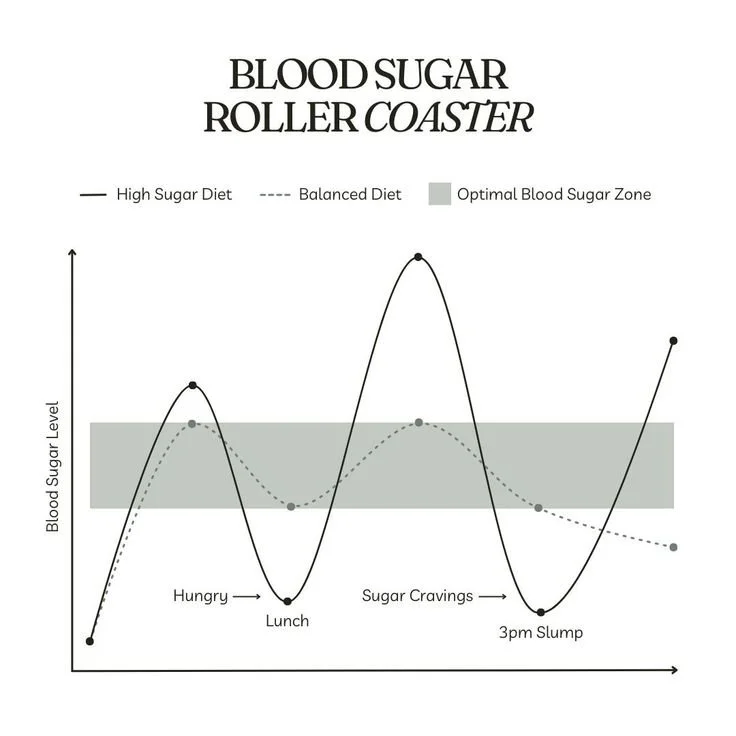
Blood sugar dysregulation drives so many of the symptoms that women with PCOS struggle with daily: energy crashes, intense carbohydrate cravings, mood instability, brain fog, skin flares, and the weight changes that seem disproportionate to what you're eating. As research, wearable data, and real-world experience converge, steady energy is emerging as a baseline expectation rather than a bonus.
More women are becoming aware of how food order influences glucose response. Eating vegetables and protein before carbohydrates genuinely moderates the blood sugar spike that follows. Pairing carbohydrate sources with protein, fibre, and healthy fats for steadier energy throughout the day is becoming standard nutrition guidance rather than niche dietary advice.
For women with PCOS specifically, blood sugar balance is arguably the most impactful dietary focus available. Stabilising insulin through food sequencing, macronutrient pairing, regular meal timing, and consistent movement after eating directly reduces the androgen production driven by insulin spikes, supports more regular ovulation, and interrupts the inflammatory cycle that characterises the condition.
The throughline for 2026 is steadiness. Fewer highs and lows. More consistency. Energy that actually lasts through the afternoon without a coffee rescue mission. For women with PCOS, this isn't just a wellness trend. It's a clinical priority dressed up in accessible language.
4. Earlier Nights Are the New Going Out
Late nights are losing their cultural cachet. And honestly, as someone managing a hormonal condition, I couldn't be more relieved.
Research continues to build on what we already know: regular, earlier sleep windows and consistent circadian rhythms improve mood, cognitive clarity, metabolic health, and immune resilience. The Sleep Health Foundation of Australia recommends seven to nine hours for adult women and the evidence for treating this as a genuine health priority rather than a lifestyle preference is now overwhelming.
For women with PCOS, sleep is not optional background advice. Poor sleep worsens insulin resistance, elevates cortisol, disrupts the hormonal regulation that PCOS already struggles to maintain, and alters gut microbiome composition within just two days. Compounding the gut dysbiosis that research consistently finds in the condition. The relationship runs in both directions too. PCOS-related hormonal disruption (including elevated androgens and cortisol) can impair sleep quality, creating a cycle that requires deliberate intervention to break.
In 2026, the cultural conversation is shifting toward protecting sleep as something sacred rather than sacrificial. Earlier dinners, consistent bedtimes, wind-down routines that genuinely signal rest to the nervous system. The flex is changing from bragging about how little sleep you got to waking up feeling genuinely well, clear-headed, energised, and ready. For women with PCOS, achieving that consistently is one of the most powerful hormonal interventions available. And it costs nothing.
5. Lymphatic Support Is Becoming a Daily Practice
Lymphatic health is moving from occasional spa treatment territory into everyday wellness practice and it's about time, because the lymphatic system does genuinely important work that most of us have been completely ignoring.
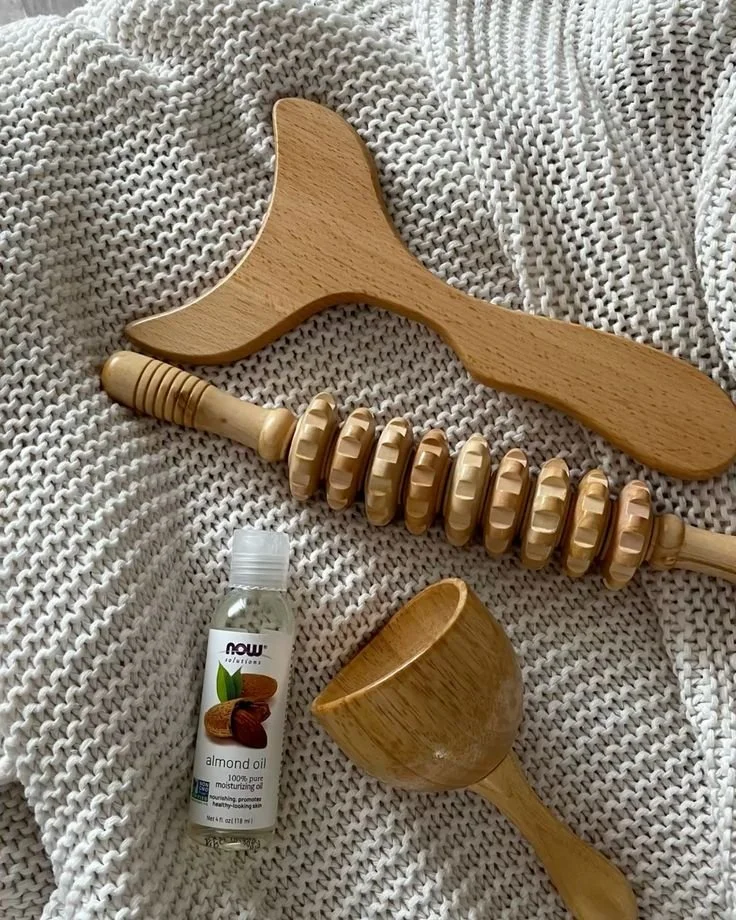
Your lymphatic system supports immune filtration, reduces inflammation, assists with the clearance of metabolic waste and hormonal byproducts, and plays a role in fluid balance throughout the body. For women with PCOS where chronic inflammation, hormonal excess, and sluggish detoxification pathways are already in play, supporting lymphatic flow has direct relevance.
Oestrogen metabolism in particular depends on efficient clearance through the liver and lymphatic system. When lymphatic flow is sluggish, hormonal metabolites clear less efficiently, potentially contributing to the hormonal imbalance that drives PCOS symptoms. Supporting lymphatic health is therefore a quiet but meaningful part of a broader hormonal health strategy.
In 2026, we're seeing simple daily lymphatic practices become normalised: dry brushing before showers (upward strokes toward the heart, always), rebounding on a mini trampoline for a few minutes daily, gentle self-lymphatic massage, and movement in general because the lymphatic system has no pump of its own and relies entirely on muscle movement and breathing to circulate. Even a 20-minute walk supports lymphatic flow.
These practices don't require expensive equipment or professional treatment. They're low-effort, genuinely effective, and easy to weave into a daily routine that's already built around supporting your hormonal health.
What This All Means
What I love about each of these five trends is the same thing: they're built around addition rather than restriction. You're not cutting things out or punishing yourself. You're adding supportive practices that make you feel better in your gut, your energy, your sleep, your skin, your mood.
For women with PCOS, that framing matters particularly. Managing a chronic hormonal condition can already feel like an endless list of things to avoid and eliminate. These trends offer a different kind of conversation one built around what you're building, not what you're dismantling.
Oral microbiome care that supports your broader inflammatory picture. Fibre that feeds your gut bacteria and supports insulin sensitivity. Blood sugar awareness that reduces the hormonal chaos of daily glucose spikes. Sleep that genuinely restores your hormonal regulation overnight. Lymphatic practices that support the clearance of the hormonal byproducts your body is constantly processing.
None of these require perfection. None of them require a complete life overhaul. They just require consistency and the understanding that small, sustainable habits compound into something genuinely significant over time.
Here's to a year of feeling better, not busier. Your body and your hormones!
Disclaimer:
The information in this article is for general informational purposes only and does not constitute medical advice. Always consult a qualified healthcare professional regarding your individual health needs. Sources referenced include Jean Hailes for Women's Health, the Sleep Health Foundation of Australia, NCBI/PubMed, and the Australian Institute of Health and Welfare.
