April Is Stress Awareness Month: A Reminder to Stop, Reflect, and Seek Help
Stress. We all experience it. Sometimes it's manageable background noise. Other times it's overwhelming, all-consuming, and impossible to ignore.
April is Stress Awareness Month, which provides a timely reminder of the importance of taking the time to look after yourself. To stop, reflect and most importantly, to not be afraid to seek help when you need it. Because here's the thing. Stress isn't a sign of weakness. It's not something to push through or ignore. It's your body's way of telling you that something needs attention. Ignoring it doesn't make it go away. It just makes it worse.
Why Stress Awareness Month Matters

We live in a culture that glorifies busy. That celebrates pushing through. That treats stress like a badge of honour. But chronic stress isn't something to be proud of. It's something to address.
While short-term stress can be motivating and even protective, chronic stress wreaks havoc on your body and mind. It affects your sleep, your appetite, your immune system, your mood, your relationships and your ability to concentrate. It impacts everything.
Stress Awareness Month exists to remind us that it's okay to not be okay. That it's okay to admit you're struggling. That it's okay to ask for help. And that taking time to care for your mental health isn't selfish or indulgent. It's essential.
Stop and Reflect: Why It Matters
When was the last time you actually stopped to check in with yourself?
Not just a fleeting thought while rushing between tasks. But genuinely stopped. Put your phone down. Sat with yourself and asked how you're really doing. Most of us don't do this nearly enough. We're so busy managing everything and everyone else that we don't notice our own stress levels climbing until we're completely burnt out.
Stopping to reflect isn't about dwelling on everything that's wrong. It's about awareness. Noticing what's happening in your body and mind. Recognising the patterns and understanding your triggers. Because you can't manage stress if you don't acknowledge it first.
Take a few minutes this month to genuinely check in with yourself. How are you sleeping? How's your appetite? How's your mood? How's your energy? How's your patience?
If the honest answer to any of these is not great, that's valuable information. It's not something to ignore or minimise. It's a signal that something needs to change.
Simple Strategies to Manage Stress
While stress is inevitable, there are evidence-based strategies that can help you manage it more effectively.
Move Your Body
Physical activity triggers the brain to release endorphins, which help reduce stress, increase energy, and improve mood. It doesn't need to be intense. You don't need to run marathons or do CrossFit unless that's what you enjoy.
Movement can be walking around your neighbourhood, dancing in your living room to music, playing sport in your backyard, practising on-the-spot marching while watching a show. If you need to stay seated, you can try toe taps, knee lifts, or tummy twists.
The point isn't the specific activity. The point is moving your body in whatever way feels good and accessible to you. Any physical activity brings wellbeing benefits. Find what works for you and do that.
Spend Time in Nature
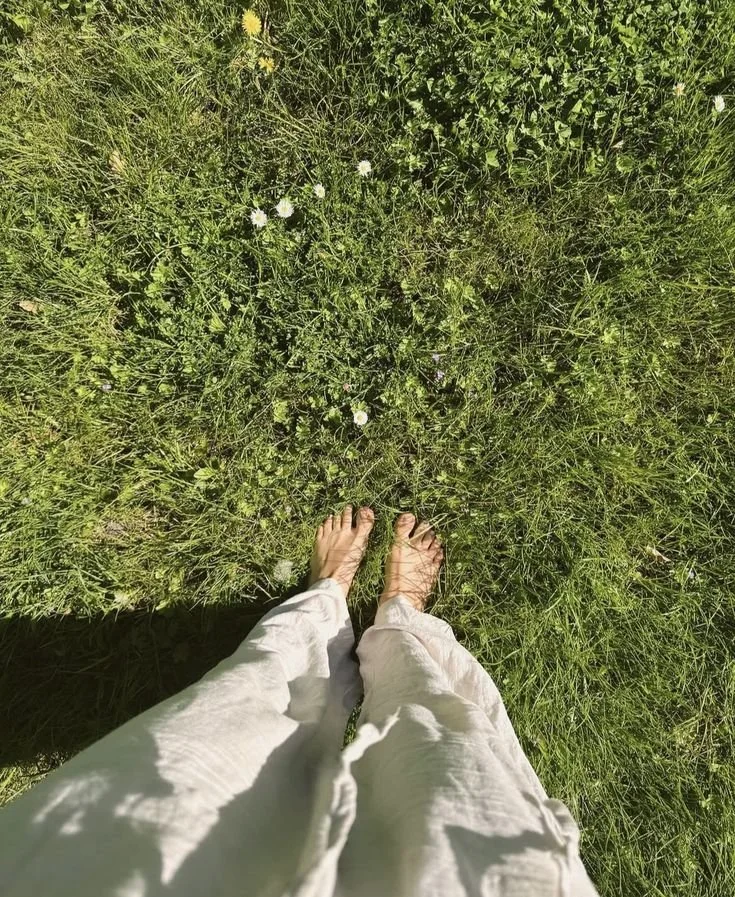
Nature has a remarkable ability to calm our nervous systems. Spending time in green spaces reduces stress levels, improves concentration, and boosts mood. You don't need to trek into the wilderness. You can head to a local park, walk around your neighbourhood, sit in your backyard and tend to some plants.
If you're feeling stuck indoors, even looking at images of nature or listening to nature sounds can have a calming effect. Break up your routine by studying, reading, or working outside when you can. Plant some herbs in pots. Visit a community garden.
Nature is accessible to everyone in some form. Make it part of your stress management toolkit.
Eat to Support Your Mood
The relationship between food and stress goes both ways. Stress affects what we eat, and what we eat affects our mood and stress levels.
When you're stressed, you might notice you eat more or less than usual. You might crave certain foods. You might skip meals entirely or eat mindlessly. Being mindful of how you respond to stress around food is helpful. If you notice patterns, you can prepare for them by having other coping strategies ready and keeping nourishing food easily accessible.
During stressful periods, try to minimise stimulants like caffeine and depressants like alcohol. Both can exacerbate stress and anxiety. Focus on eating a balanced diet that includes vegetables, fruits, whole grains, lean proteins, and healthy fats. These foods provide the nutrients your body needs to manage stress effectively.
You don't need to overhaul everything at once. Start with one small change and build from there.
Quick Stress Relief Techniques
Short on time? Here are three simple things you can do to relax and de-stress anytime, anywhere.
Look up. Take a few minutes to be present in the moment. Let your mind wander while focusing on slowing down your breathing. This interrupts the stress response and brings you back to the present.
Stretch it out. Stretching tense and stiff muscles releases stress from your body. You can do this at your desk, in the kitchen, anywhere. Roll your shoulders. Stretch your neck. Extend your arms overhead.
Write it down. Writing helps organise your thoughts and provides insights into how you're feeling. Set a timer for two minutes and let your thoughts flow onto paper. You don't need to share it with anyone. Just get it out of your head.
These techniques take minimal time but can make a real difference when stress is building.
Don't Be Afraid to Seek Help
Here's the most important part of this entire article. The part that bears repeating.

If you're struggling, please seek help. Don't wait until you're in crisis. Don't try to tough it out alone. Don't convince yourself you should be able to handle it. Asking for help isn't weakness it's strength. It's self-awareness and taking responsibility for your wellbeing.
There are so many people and services available to support you. Talking to a friend, family member, GP, therapist, or counsellor can make an enormous difference.
If you're not sure where to start, call Lifeline on 13 11 14. They're available 24/7 to talk to anyone who needs support. If you or someone you know is at immediate risk of harm, call Triple Zero (000) or Mental Health Triage on 13 14 65.
There is absolutely no shame in reaching out. In fact, reaching out when you need help is one of the most courageous and important things you can do.
The Bottom Line
April is Stress Awareness Month. Use it as a reminder to stop and check in with yourself.
How are you really doing? What's your stress level like? What needs attention? If the honest answer is that you're struggling, please don't ignore it. Please don't try to push through alone. Move your body, spend time in nature and eat nourishing food. Use quick stress-relief techniques when you need them.
But most importantly, seek help if you need it. Talk to someone and reach out for support. Stress isn't a sign of weakness. It's a sign that you're human and managing it effectively, including asking for help, is a sign of strength.
This month, make your mental health a priority. Because you matter. Your wellbeing matters. And you deserve support.
If you or someone you know needs support:
Lifeline: 13 11 14 (24/7)
Mental Health Triage: 13 14 65
Emergency: 000
How do you manage stress? What helps you most? Share in the comments.
Disclaimer:
The information in this article is for educational purposes only and is not intended as medical advice. Always consult with qualified healthcare providers for medical concerns. The views expressed are the author's own, and Gro.w is not liable for any outcomes from following the information provided.
