

Sauna or Cold Plunge First? Here's What Your Body Actually Needs
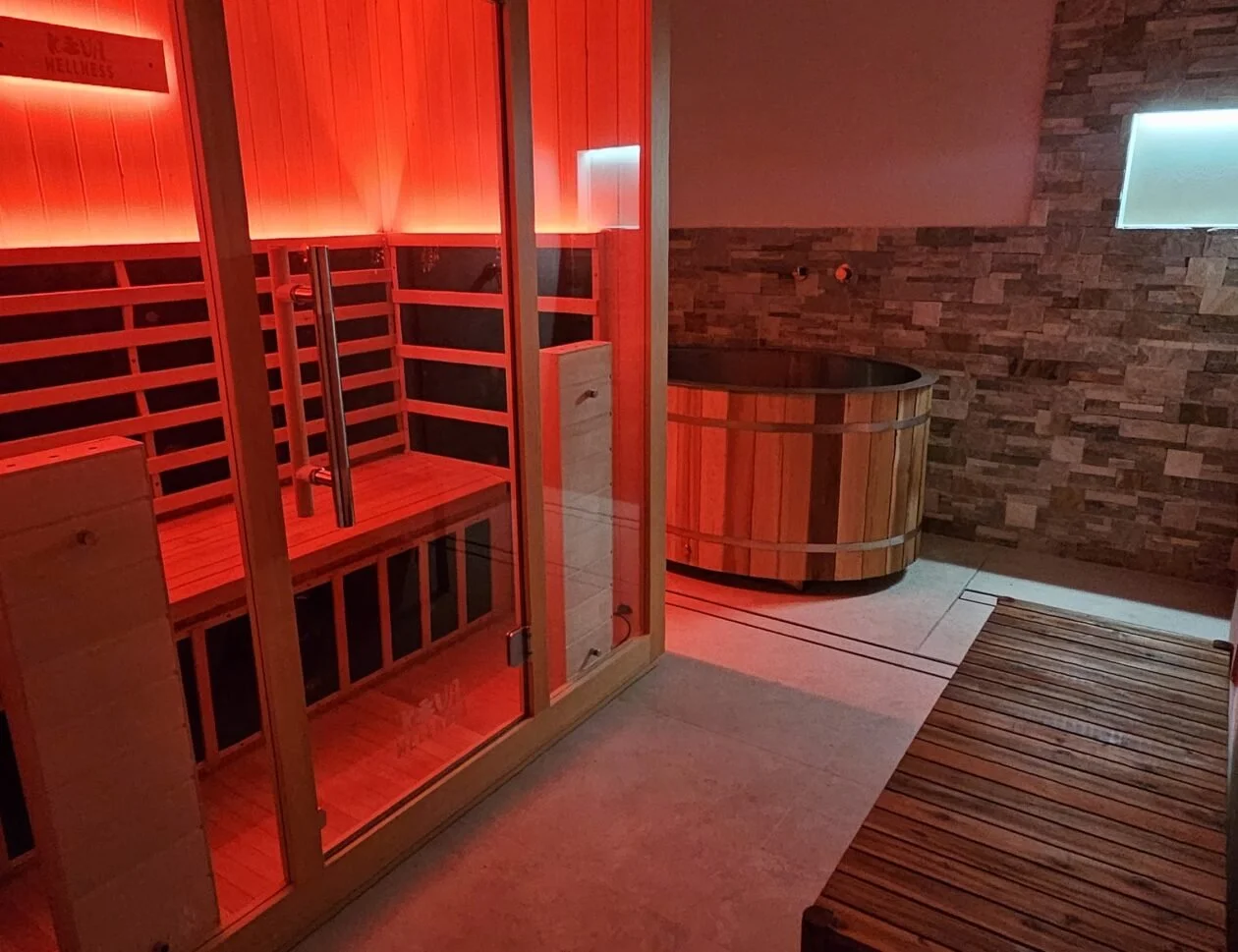
I'll be honest the first time I tried contrast therapy, I had no idea what I was doing. I stood there in my gym's recovery area, looking between the sauna and the ice bath, genuinely wondering if there was a "right" order or if I should just wing it.
Turns out, there is a right order. And it has nothing to do with being tough or following whatever your favourite biohacker is doing on Instagram. It's about working with your body's natural rhythms instead of against them.
After diving into the research and learning from Ayurvedic practitioners who've been studying the body for literally thousands of years, I've completely changed how I approach this practice. And honestly? It's made all the difference in how I feel afterward.
So let's talk about the real science behind contrast therapy, why order matters, and how to do this in a way that actually supports your body.
Here's What Actually Works: Heat First, Then Cold
If you take nothing else from this article, remember this: your body responds best when you warm it before you cool it.
This isn't just about comfort (though that matters too). It's about physiology. When you start with heat, you're literally opening up your body's pathways. Your blood vessels dilate, your muscles relax, your breathing deepens. You're signaling to your nervous system that it's safe to let go.
From this warm, open state, the cold plunge becomes something your body can actually integrate. You still get that intense rush, the mental clarity, the anti-inflammatory benefits but without sending your system into panic mode.
Think of it this way heat prepares your body for the challenge of cold. It's like warming up before a workout. You wouldn't go straight into your heaviest lifts without preparing your muscles first, right? Same concept here.
When I start with the sauna, I notice my body stays calm even when I hit the cold water. My breathing doesn't become frantic, my heart rate stays relatively steady, and I can actually stay in longer because my nervous system isn't fighting me.
Compare that to the times I've jumped straight into cold water when I'm already tense or cold? Completely different experience. My body immediately goes into fight-or-flight, I can barely breathe, and I'm counting down the seconds until I can get out.
Why Your Nervous System Has Strong Opinions About This
Let's talk about what's happening in your nervous system, because understanding this changed everything for me.
Your nervous system has two main modes which is sympathetic (fight-or-flight) and parasympathetic (rest-and-digest). For most of us living in the modern world, we spend way too much time in that sympathetic state - stressed, alert, ready to react.
When you step into a warm sauna, you're giving your parasympathetic nervous system permission to activate. Your body interprets warmth as safety. Your muscles release tension you didn't even know you were holding. Your breathing naturally slows down and deepens.
From this calm, regulated state, your body can handle cold exposure as a controlled stressor. You get the hormetic benefits (that's the fancy term for "good stress that improves your resilience") without overwhelming your system.
But if you start with cold when you're already tense, tired, or running on stress? You're potentially just adding more stress to an already overloaded system. And that's not strengthening - that's just exhausting.
I've learned this the hard way on days when I'm already feeling anxious or depleted. Jumping straight into cold water on those days doesn't make me feel invigorated and it makes me feel worse. But starting with warmth? That actually helps regulate my nervous system before the cold provides that final, energizing reset.
How to Know When to Make the Switch
Your body is constantly giving you feedback, and learning to listen to it is honestly one of the most valuable skills you can develop with this practice.
Here's what I look for in the sauna: that moment when I see a tiny bead of sweat forming above my upper lip. In Ayurveda, this is considered the perfect signal that your body has warmed sufficiently and opened up its channels. You're not overheated, but you're definitely ready.
Other signs I've learned to recognize: my breathing has settled into a deep, easy rhythm. My muscles feel completely loose. I have this overall sense of being warm and relaxed, not stressed or uncomfortable.
That's when I know it's time for the cold.
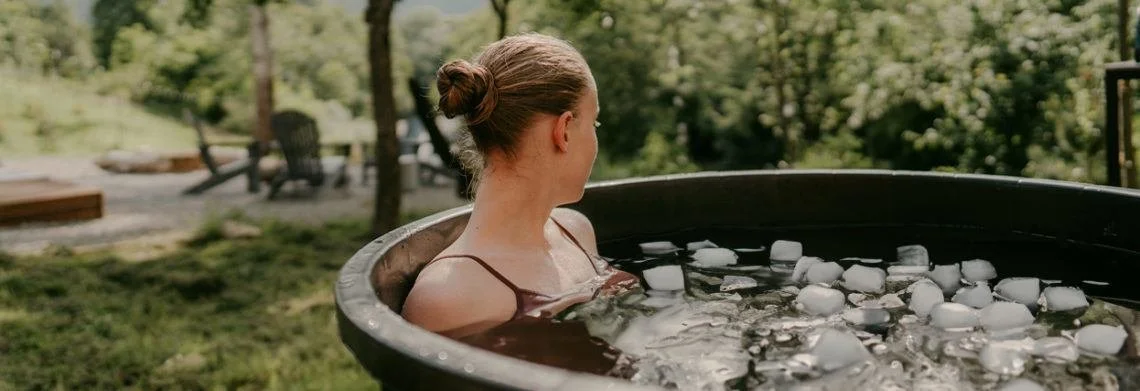
And in the cold plunge? I'm listening just as carefully. A little gasping and that initial "oh my god this is cold" sensation is normal. But if I start feeling dizzy, if my heart starts racing uncomfortably, or if I get that deep sense of "this is too much"I'm out. No questions, no pushing through.
One thing I wish someone had told me earlier: the temperatures that work for you might be completely different from what works for someone else. I've seen guys at my gym sitting in ice baths that are barely above freezing, while I feel best around 10°C. That's not me being weak that's just how my body functions. And that's completely okay.
When This Practice Isn't Right for You
Here's something really important: your body knows what's right for it. And if something doesn't feel right, you don't need to push through it.
I've learned to trust that inner voice that says "not today" or "this is too much." During my period, for example, I usually skip contrast therapy altogether. My body's energy is already naturally moving inward, and adding intense temperature changes just doesn't feel good. If you're feeling the same way, honor that.
If you're pregnant, recovering from illness, dealing with heart concerns, or managing any chronic health conditions, please check with your doctor before trying contrast therapy. This isn't me being overly cautious. It's just about making sure this practice is safe and appropriate for your specific situation. Your healthcare provider can help you understand if it's right for you and how to approach it safely.
I've also learned to be really honest with myself about my energy levels. On days when I'm truly exhausted or feeling depleted, I either skip the cold plunge entirely or keep it really brief and gentle. There's no prize for pushing through when your body is clearly asking for rest.
The bottom line? If it doesn't feel right, don't force it. Your intuition about your own body is valuable, and wellness practices should support you not stress you out.
Adjusting for Seasons and Life Phases
One of the things I love most about approaching wellness from an Ayurvedic perspective is this understanding that nothing is one-size-fits-all or fixed year-round. Everything needs to adapt.
During winter, I spend longer in the sauna and keep my cold plunges much shorter. Sometimes just 30 seconds to a minute is enough. My body is already working harder to stay warm I don't need to add extra cold stress to that.
Summer is when I naturally gravitate toward spending more time in the cold and less in the heat. My body runs warmer, I feel the benefits of cooling more acutely, and it just feels right.
I also pay attention to my stress levels and how much sleep I'm getting. If I'm going through a particularly stressful period or I've had a few rough nights of sleep, I dial back the intensity. Maybe I do a warm sauna session and skip the cold altogether. Maybe I do both but keep the cold really brief.
This isn't about being inconsistent or lacking discipline. It's about being responsive to what my body actually needs, which changes day to day, season to season, and year to year.
If You Only Have Time for One
Real life often means you don't have time for the full sauna-to-cold-plunge ritual. So what do you choose when you can only do one?
I've started asking myself: what does my body actually need right now?
Feeling anxious, scattered, or cold? I choose heat. A sauna session grounds me, calms my nervous system, and leaves me feeling centered in a way that cold exposure just doesn't when that's my starting state.
Feeling overheated, irritable, or experiencing inflammation? I choose cold. It's incredibly effective for bringing down that internal fire and creating a sense of clarity and calm.
Feeling sluggish or heavy? This is when I might actually choose cold even if I can only do one, because that energizing effect is exactly what I need to shift my energy.
But honestly, if I'm unsure or if I'm already feeling off-balance, I default to heat. Warmth is almost always supportive, especially for those of us who tend toward anxiety or who run cold naturally.
What I've Learned About Sustainable Wellness
Here's what years of experimenting with different wellness practices have taught me: the most effective approaches aren't necessarily the most extreme ones.
They're the ones that support your body's natural intelligence, that you can maintain consistently, and that leave you feeling genuinely better—not just immediately after, but hours and days later.
I used to think pushing harder, going colder, staying in longer was the goal. But I've realized that wellness isn't about proving anything. It's about learning to listen to your body with more nuance, respecting its signals, and creating practices that genuinely serve you.
Starting with heat and moving to cold isn't the "easy" way it's the smart way. It allows your body to receive the full benefits of both modalities without overwhelming your nervous system in the process.
Your body is not a machine that needs to be shocked into optimal performance. It's an incredibly intelligent system that responds beautifully when you work with it instead of against it.
The Bottom Line
If you're incorporating contrast therapy into your wellness routine, start with the sauna and finish with the cold plunge. Let the warmth open your body and calm your nervous system first. Then use the cold as your reset. That bright, clarifying finish that leaves you feeling energised and clear.
Pay close attention to your body's feedback about when to switch and when to stop. Adjust based on the season, your menstrual cycle, your stress levels, and how you're genuinely feeling that day. And please, don't compare your practice to anyone else's. Your body has its own preferences and limits, and honouring those is the whole point.
The goal isn't to be the person who can sit in the coldest water for the longest time. It's to support your nervous system, reduce inflammation, improve circulation, and feel genuinely better in your body and mind.
So the next time you're standing between a sauna and a cold plunge, wondering which comes first, you'll know exactly what to do. And more importantly, you'll understand why.
What's your experience with contrast therapy? I'd love to hear what's worked (or hasn't worked) for you. Drop a comment below!
The content provided in this article is for informational and educational purposes only and is not a substitute for professional medical advice, diagnosis, or treatment. Always seek the advice of your physician or other qualified health provider with any questions you may have regarding a medical condition or wellness practice. The opinions and information shared in this article are based on the author's research and personal experience. Gro.w does not provide medical advice or services, and the content should not be considered as such.Never disregard professional medical advice or delay seeking it because of something you have read in this article. Gro.w is not liable for any claim, loss, or damage arising from the use of or reliance upon any content or information provided in this article.
