

Sunscreen Shock: How to Protect Your Skin When You Can't Trust the Labels
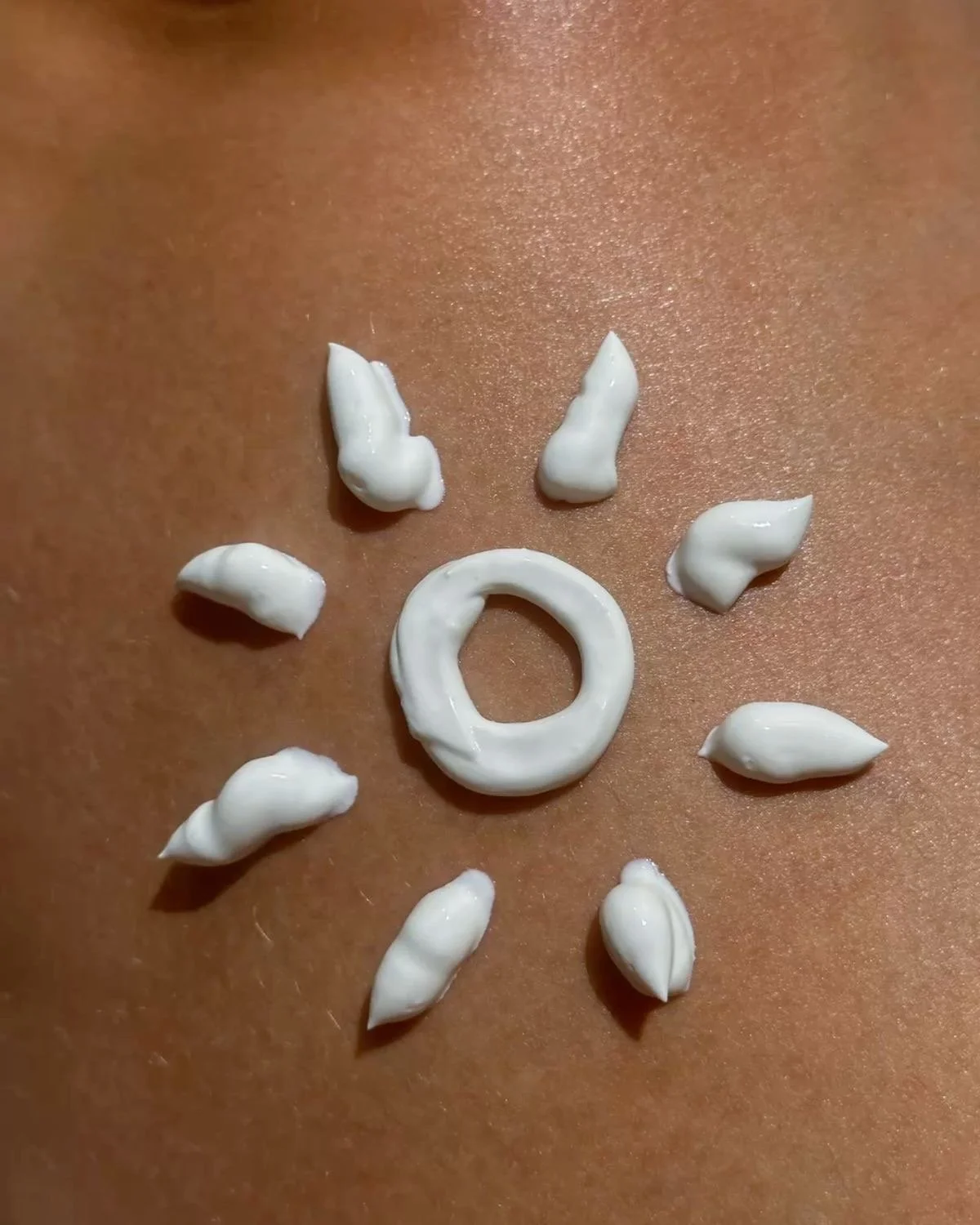
Okay, we need to talk about what happened with Australian sunscreens last year. And I'm not going to lie when the CHOICE report came out in June revealing that 16 out of 20 popular sunscreens failed to meet their SPF claims, I felt genuinely shaken.
As someone who's religious about sunscreen (I wear it every single day, rain or shine), finding out that some of the products we've been trusting to protect our skin might not be delivering what they promise? That hit different.
But here's what I want you to know this isn't a reason to stop wearing sunscreen. If anything, it's a reminder of why we need to be informed consumers, understand what we're putting on our skin, and yes keep protecting ourselves from the sun.
So let's break down what actually happened, what it means for you, and how to choose sunscreen you can trust going forward.
What Actually Happened: The CHOICE Report That Shocked Australia
In June 2025, consumer group CHOICE tested 20 popular SPF 50 or 50+ sunscreens from a range of brands and price points. They sent these products to an accredited laboratory that specialises in SPF testing, the same type of lab approved by Australia's Therapeutic Goods Administration (TGA).
The results? Only four products actually met their SPF 50 or 50+ claims.
Sixteen sunscreens failed and we're not talking about minor discrepancies. The failures ranged from a claimed SPF 50+ that actually tested at an SPF of just four, all the way through to results in the 20s, 30s and 40s.
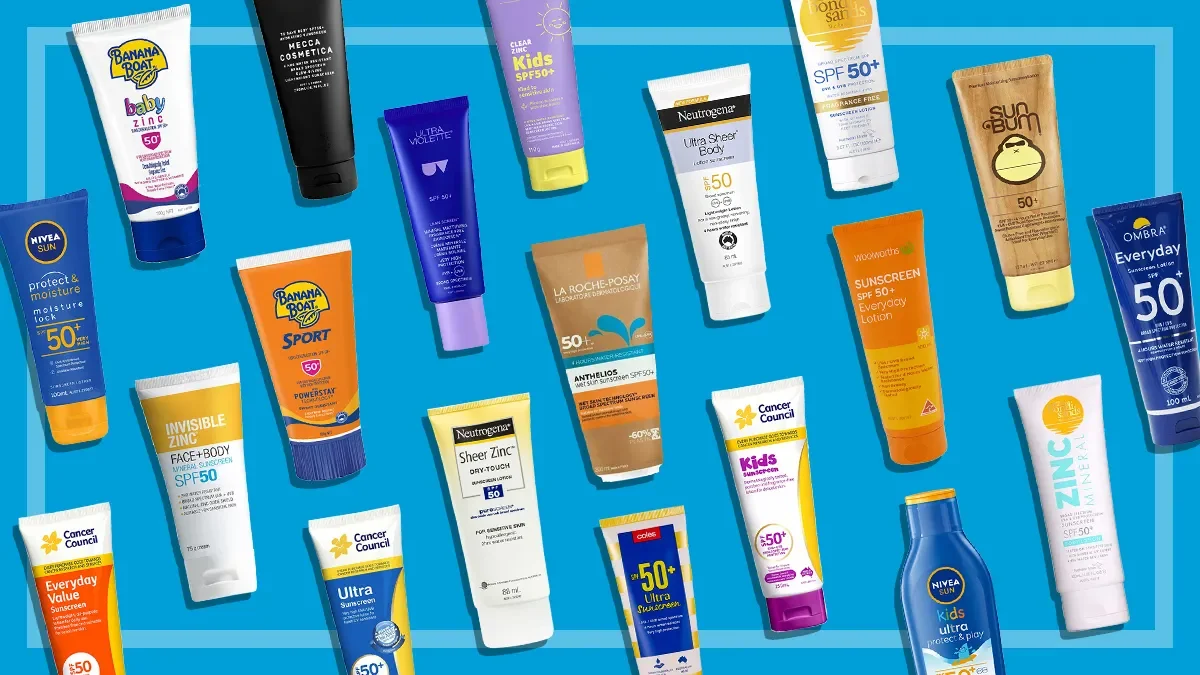
The most significant failure was Ultra Violette's Lean Screen SPF 50+ Mattifying Zinc Skinscreen, which tested at an SPF of 4 when it claimed SPF 50+. For context, that's the difference between "very high protection" and basically no meaningful protection at all.
On the flip side, some sunscreens performed better than claimed. La Roche-Posay Anthelios Wet Skin Sunscreen SPF 50+ tested at 72, and Neutrogena Ultra Sheer Body Lotion SPF 50 tested at 56.
The Sunscreens That Passed
Before we get into the drama, let's talk about the products that actually did what they promised:
Cancer Council Kids Sunscreen SPF 50+ – tested at SPF 52
La Roche-Posay Anthelios Wet Skin Sunscreen SPF 50+ – tested at SPF 72
Mecca Cosmetica To Save Body SPF 50+ Hydrating Sunscreen – tested at SPF 51
Neutrogena Ultra Sheer Body Lotion SPF 50 – tested at SPF 56
These four products not only met their claims but some exceeded them, which honestly gives me hope that rigorous testing and quality control is possible.
What Happened Next: Recalls, Investigations, and Industry Fallout
The response to the CHOICE report has been significant. Ultra Violette voluntarily recalled their Lean Screen product, and the TGA identified 21 other sunscreen products that shared the same base formulation.
The TGA's preliminary testing indicated that this base formulation is unlikely to have an SPF greater than 21, and may, for at least some products, be as low as SPF 4.
But here's where it gets even more interesting. The lab that had originally tested many of these products - Princeton Consumer Research Corp (PCR Corp) in the UK - came under serious scrutiny. The TGA stated they have "significant concerns about the reliability of SPF testing undertaken by Princeton Consumer Research Corp".
This raised huge questions about testing standards across the entire industry. It's not just about individual brands. It's about the systems we rely on to verify that products are safe and effective.
Why This Matters And Why You Shouldn't Panic
I get it finding out that products you trusted might not work as promised is scary. Especially when we're talking about skin cancer prevention in a country where two out of three Australians will be diagnosed with some form of skin cancer during their lifetime.
But here's what CHOICE themselves emphasised, and what I want you to hear is that any sunscreen is better than none.
Even if a sunscreen tested at SPF 20 or 30 instead of 50, that's still providing significant protection. An SPF 30 blocks about 97% of UVB rays. Is it ideal? No. But it's infinitely better than no protection at all.
The issue isn't that sunscreen doesn't work it's that specific products didn't deliver the level of protection they claimed. That's a problem of quality control and testing, not a problem with the concept of sun protection itself.
Why Sunscreen Is Still Absolutely Essential
Let me be crystal clear you still need to wear sunscreen. Every single day. Here's why.
The Science Is Solid
A randomized controlled trial in Australia found that daily use of sunscreen reduced the incidence of melanoma by 50%, while a Norwegian study found that using at least SPF 15 sunscreen lowered melanoma risk by 30%.
Studies have also shown that regular sunscreen use can reduce the risk of squamous cell carcinoma by about 40%, as well as lower the risk of basal cell carcinomas and keratinocyte carcinomas.
These aren't small numbers. We're talking about cutting your melanoma risk in half just by applying sunscreen daily.
It's Not Just About Cancer Prevention
Sun damage is cumulative. Every time you're exposed to UV radiation without protection, you're damaging your skin cells, breaking down collagen and elastin, and creating the conditions for premature aging.
Regular sunscreen use prevents wrinkles, age spots, sagging skin, and that overall worn appearance that comes from chronic sun exposure. And unlike anti-aging products that try to reverse damage after the fact, sunscreen actually prevents it from happening in the first place.
Australian Sun Is No Joke
We live in a country with one of the highest rates of skin cancer in the world. Our UV index regularly hits extreme levels. The sun here isn't something to mess around with.
I've seen too many friends and family members dealing with skin cancer removals, ongoing monitoring, and the stress of wondering if that spot is something to worry about. Sun protection isn't vanity it's health.
How to Choose Sunscreen You Can Trust
So how do we move forward? How do we choose sunscreen confidently when this scandal has shaken our trust in the products and testing systems?
Look for Broad Spectrum SPF 30 or Higher
Dermatologists recommend using a sunscreen with an SPF of at least 30, which blocks 97% of UVB rays, and choosing products labeled as "broad spectrum" to protect against both UVA and UVB radiation.
Don't get too caught up in super high SPF numbers. SPF 50 blocks about 98% of UVB rays, so anything above that offers only marginal additional protection. What matters more is that you're applying enough and reapplying regularly.
Check for TGA Registration
In Australia, therapeutic sunscreens must be registered with the TGA and will have an AUST L or AUST R number on the packaging. This means they've met certain regulatory standards.
While the recent scandal has shown that this system isn't perfect, products with TGA registration have at least gone through some level of scrutiny.
Consider the Brands That Passed Testing
I'm not saying you should only use the four products that passed CHOICE testing, but they're a good starting point. Cancer Council, La Roche-Posay, Neutrogena, and Mecca's sunscreen all demonstrated that they deliver what they promise.
These brands have also shown commitment to quality control and transparency in their response to the testing.
Apply It Properly Because This Matters More Than You Think
Here's a truth bomb! Most people don't apply enough sunscreen. Even if you're using a sunscreen that tests at SPF 50, if you're only applying half the recommended amount, you're getting maybe SPF 15 worth of protection.
You need about a teaspoon for your face and neck, and approximately two tablespoons (a shot glass worth) for your entire body. And yes, that feels like a lot. But that's the amount needed to achieve the SPF rating on the bottle.
Reapply Every Two Hours
Sunscreen breaks down with sun exposure, sweating, and contact with water or even just your clothes and hands touching your face. You need to reapply at least every two hours, and more frequently if you're swimming or sweating.
This is where a lot of us fall short. We apply in the morning and think we're good for the day. We're not.
Beyond Sunscreen: A Complete Sun Protection Strategy
Sunscreen is crucial, but it's not your only tool. And honestly, this scandal is a good reminder that we should never rely on just one method of protection.
Seek shade, especially between 11am and 3pm when UV rays are strongest. About 39% of adults report using shade as a sun protection method, and studies have shown this can reduce total UV exposure while still allowing for some vitamin D production.
Wear protective clothing - long sleeves, a wide-brimmed hat, and sunglasses with UV protection. Clothing with a UPF (Ultraviolet Protection Factor) rating offers even better protection.
Time your outdoor activities wisely. Early morning or late afternoon sun is less intense than midday sun.
Get regular skin checks. Catch any issues early when they're most treatable.
Think of sun protection as a layered approach. Sunscreen is one essential layer, but combining it with other protective measures gives you the best chance of preventing damage.
The Bottom Line
The CHOICE sunscreen scandal was a wake-up call for the industry, regulatory bodies, and consumers. It exposed serious flaws in testing reliability and quality control that need to be addressed.
But it doesn't change the fundamental fact that sun protection is essential, and sunscreen is one of our most effective tools for preventing skin cancer and premature aging.
Should we be critical consumers who demand better testing and transparency? Absolutely. Should we choose products carefully and apply them properly? Yes. Should we stop wearing sunscreen altogether? Absolutely not.
If you're currently using one of the sunscreens that didn't meet its SPF claim, don't panic. Continue using it while you transition to a product you trust more. Any sun protection is better than none, and even an SPF of 20 or 30 still offers significant sun protection.
Look for products that passed testing, choose brands with good reputations and transparent testing practices, apply generously and reapply regularly, and combine sunscreen with other sun protection methods like hats, shade, and protective clothing.
Your skin and your future self will thank you for it.
What sunscreen do you trust? Have you changed brands after the CHOICE report? Share your go-to sun protection in the comments!
Disclaimer:
The information in this article is for educational purposes only and is not intended as medical advice. Always consult with a qualified healthcare provider or dermatologist about the best sun protection strategy for your individual needs. The views expressed are the author's own, and Gro.w is not liable for any outcomes from following the information provided.
