

The Rule of 30 Plants per Week: What I Eat with PCOS
If you have PCOS, you've probably heard every diet recommendation under the sun. Keto, low carb, no dairy, no gluten, intermittent fasting. the list goes on. And honestly? It's exhausting.
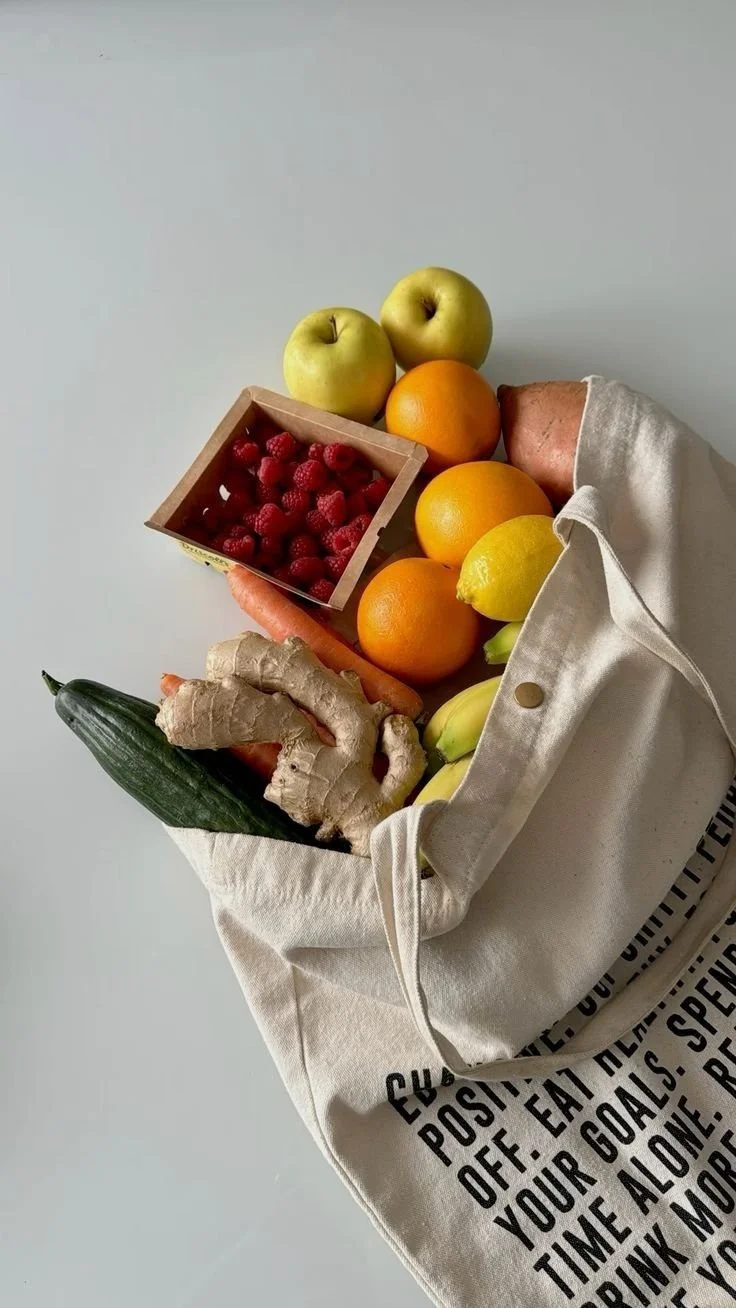
But there's one approach that keeps coming up in the research, and it's something I've personally found genuinely helpful. It's called the 30 plants per week rule, and it's all about supporting your gut microbiome.
I know, I know. Gut health feels like the buzzword of the decade. But when you have PCOS, your gut health isn't just trendy wellness talk. it's actually connected to your hormones, your insulin levels, and many of the symptoms you're dealing with.
Let me explain why this matters, and then I'll share what I actually eat to hit that 30 plant target each week.
Why Your Gut Matters When You Have PCOS
Here's what researchers have discovered. women with PCOS have different gut microbiomes compared to women without PCOS. And not just different. less diverse.
Studies show that women with PCOS have fewer types of bacteria in their gut. This lower diversity is linked to higher testosterone levels, excess hair growth, abnormal cholesterol, insulin resistance, and weight gain. Basically, all the things we're already struggling with.
The theory is that an unhealthy diet can upset the balance of bacteria in our gut, something called gut dysbiosis. This imbalance might make the gut lining permeable, allowing harmful substances to leak into the bloodstream. This is often called leaky gut.
When this happens, it can trigger your immune system and mess with how insulin works in your body. This leads to high insulin levels, more androgens being produced in your ovaries, and problems with ovulation. It's all connected.
The Fibre Connection
Recent research has found something really interesting. There seems to be a link between PCOS and the chemicals produced when good bacteria in your gut digest fibre from food.
These chemicals influence the metabolic and hormonal aspects of PCOS. And when their production increases through higher fibre intake, it actually seems to improve PCOS symptoms.
This is where the 30 plants per week rule comes in.
What Is the 30 Plants Rule?

The concept comes from the American Gut Project, a massive research study involving over 10,000 people. The researchers found that participants who ate 30 or more different plants per week had more diverse gut microbiomes than those who only ate 10.
More diversity means more types of beneficial bacteria. And for those of us with PCOS, that diversity could help with hormone balance, insulin sensitivity, and overall symptom management.
Now, before you panic about eating 30 different vegetables every week, here's the good news. it's not just fruits and veggies that count.
What Actually Counts as a Plant?
This is where it gets easier than you think. Your 30 plants can include vegetables, fruits, legumes, whole grains, nuts, seeds, herbs, and spices.
Yes, herbs and spices count. So does that sprinkle of cinnamon on your coffee or the basil in your pasta sauce.
Here's what I personally count towards my 30 each week.
Vegetables like spinach, broccoli, carrots, sweet potatoes, zucchini, bell peppers, onions, garlic, rocket, and cabbage.
Fruits including apples, bananas, berries, avocados, tomatoes, and whatever else is in season.
Legumes such as chickpeas, lentils, black beans, kidney beans, and edamame. These are amazing for PCOS because they're high in fibre and protein, and they don't spike blood sugar the way refined carbs do.
Whole grains like brown rice, oats, quinoa, and whole wheat. I focus on whole grains rather than refined grains because they contain more fibre and nutrients, and they're better for blood sugar control.
Nuts and seeds including almonds, walnuts, chia seeds, flaxseeds, pumpkin seeds, and sunflower seeds. These also provide healthy fats and protein.
Herbs and spices like turmeric, ginger, cinnamon, basil, parsley, cumin, and black pepper. I use these liberally because they add flavour without adding sugar or unhealthy fats, plus many have anti inflammatory properties.
Different colours of the same plant, like red and green peppers or different types of beans, might not count as separate plant points. But they do provide different nutrients and polyphenols, so I still try to mix it up.
What I Actually Eat in a Week
Here's what a typical week looks like for me, hitting that 30 plant target without making myself crazy.

Breakfast options include oats with berries, chia seeds, and walnuts. Greek yogurt with mixed nuts, flaxseeds, and sliced apple. Avocado on whole grain toast with pumpkin seeds and tomato.
For lunch, I might have a big salad with spinach, chickpeas, cucumber, bell peppers, avocado, sunflower seeds, and olive oil. Or a lentil and vegetable soup with carrots, celery, onion, and herbs. Or a quinoa bowl with roasted vegetables, black beans, and tahini dressing.
Dinner could be stir fried tofu with broccoli, peppers, snow peas, and brown rice. A chickpea curry with spinach, tomatoes, and spices over quinoa. Or baked salmon with roasted sweet potato and a side salad.
Snacks include mixed nuts, apple slices with almond butter, hummus with veggie sticks, berries, or dark chocolate with almonds.
I also add herbs and spices to almost everything. Turmeric and ginger in smoothies, cinnamon on oats, basil and oregano in sauces, cumin in curries. They all count towards the total.
Tips for Getting Your 30 Plants
If you're just starting out, don't try to hit 30 immediately. Start by tracking what you're currently eating for a week and see where you're at. Then gradually add more variety.
Stock your pantry with canned beans, lentils, and a variety of nuts and seeds. Keep frozen vegetables on hand so you always have options available.
Mix different types of beans in your meals instead of just using one. A three bean salad or mixed bean chilli instantly adds variety.
Add leafy greens to everything. Spinach wilts into pasta sauce, stir fries, soups, and smoothies without changing the flavour much.
Make your snacks count. Instead of reaching for processed foods, keep cut vegetables, fruits, nuts, and seeds readily available.
Use herbs and spices generously. They're an easy way to add plant points without adding bulk to your meals.
Prep ingredients in advance. Chop vegetables, cook grains, and prepare beans on the weekend so you can easily throw meals together during the week.
Why This Matters for PCOS
Research shows that women with PCOS are more likely to have unhealthy dietary habits and are more likely to be overweight or obese compared to women without PCOS. But it's not about restriction or punishment diets.
It's about nourishing your body with foods that support your gut bacteria, which in turn supports your hormones, your insulin sensitivity, and your overall health.
Studies have found that probiotics can help restore gut balance in women with PCOS. One study showed that when women with PCOS took a specific probiotic, it led to improvements in gut health. But you can also support your gut through food by eating a diverse range of plants that feed your beneficial bacteria.
Other research has discovered that people with PCOS have altered bile acid profiles, which affects fat digestion and insulin levels. These changes can weaken the gut wall and contribute to leaky gut, worsening PCOS symptoms. Eating more fibre from diverse plant sources may help address this.
Beyond Diet
It's important to remember that gut health isn't just about what you eat. Quality sleep, regular exercise, limiting alcohol, and managing stress all play a role too.
Exercise in particular has consistently been shown to improve outcomes in women with PCOS, and it also benefits gut health. So does getting enough quality sleep each night.
The Bottom Line
The 30 plants per week rule isn't a rigid diet plan. It's a flexible framework that encourages you to eat a wider variety of whole foods, which naturally supports your gut microbiome.
For women with PCOS, supporting gut health through diverse plant intake may help with hormone balance, insulin sensitivity, inflammation, and overall symptom management.
It's not a cure. PCOS is complex and influenced by both genetics and environment. But it's one evidence based approach that focuses on adding nourishing foods rather than restricting and eliminating everything.
Start where you are. Track your plants for a week. Add variety gradually. And notice how you feel.
Your gut bacteria will thank you. And hopefully, your PCOS symptoms will improve too.
Do you follow the 30 plants rule? What are your favourite plant foods to include? Share in the comments!
Disclaimer:
The information in this article is for educational purposes only and is not intended as medical advice. PCOS is a complex medical condition that requires professional diagnosis and treatment. Always consult with a qualified healthcare provider before making changes to your diet or treatment plan. The views expressed are the author's own, and Gro.w is not liable for any outcomes from following the information provided.
